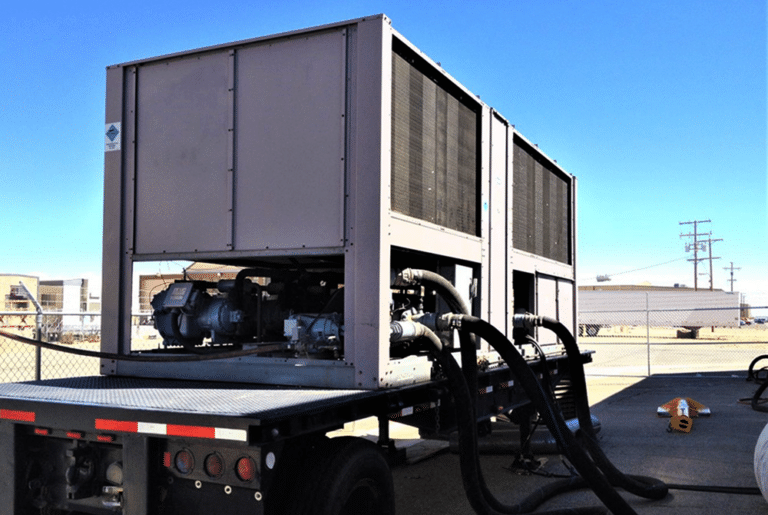
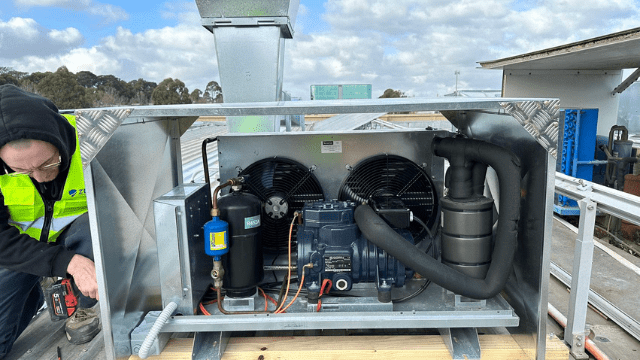
When a refrigeration system is installed, most operators are focused on one question: does it work? The compressor runs, the room hits temperature, the fitout is signed off and everyone moves on. The system looks like a success on day one.
The problem is that day one tells you almost nothing about what a commercial refrigeration layout will cost you over the next ten years. Many of the decisions that quietly determine your ongoing maintenance bills are made during fitout, long before a single fault appears. Where the condenser sits, how much room a technician has to work, how far the refrigerant has to travel; none of these stop the system running on the first day. All of them shape how expensive and disruptive it is to keep that system running for the rest of its life.
Design Decisions Are Operating Cost Decisions
It is tempting to treat refrigeration layout as a purely capital question, something you sort out once at install and forget. In reality, every placement decision made at fitout is also an operating cost decision that keeps charging you, service visit after service visit.
The Gap Between Fitout and First Service Bill
A well-designed and a poorly designed system can look identical when the doors first open. The gap only reveals itself months later, when the first proper service is due. A coil that takes fifteen minutes to clean on a well-laid-out system can take an hour on a cramped one, and you are paying for that hour in labour every single time. Multiply that across years of routine servicing and the cost of a careless layout becomes very real, even though nothing ever technically broke.
Why Builders and Fitout Teams Often Miss It
This is rarely anyone acting in bad faith. Builders and fitout teams are working to a floor plan, a budget and a deadline, and refrigeration is one item among dozens competing for space. Tucking a condenser into a tidy nook or pushing a unit hard against a wall looks neat on the drawings and frees up usable floor area. The trouble is that the people drawing the layout are not the people who will be servicing it in three years, so the cost of an awkward position never lands on their desk. It lands on yours.
Four Layout Issues That Drive Up Your Maintenance Bill
A handful of layout mistakes recur across Melbourne sites. Individually they seem minor. Over the life of the system, they add up to thousands in avoidable cost.
Condensers Placed in Poorly Ventilated or Confined Spaces
A condenser needs to reject heat, and to do that it needs a steady supply of cool air and somewhere for the warm air to go. Box it into a confined cupboard, a sealed roof cavity or a tight plant space and it ends up recirculating its own hot exhaust. The system has to work harder to achieve the same result, runs hotter, draws more energy and demands more frequent attention to keep performing. Poor ventilation is one of the most common reasons a system that should be low-maintenance becomes a regular visitor on the service schedule.
No Service Clearance Around Key Components
Technicians need physical room to do their job properly. If there is no front access to pull and clean a coil, no clearance to reach a fan motor, or no space to swing a tool, every task takes longer and some get done to a lower standard simply because they are awkward to reach. Clearance is not a luxury. It is the difference between a quick, thorough
routine maintenance visit and a slow, partial one that misses things.
Pipe Runs That Are Too Long or Poorly Routed
The further refrigerant has to travel, and the more bends and rises it has to negotiate, the harder the system works and the more places there are for problems to develop. Long or convoluted pipe runs reduce efficiency, increase the risk of oil return issues, and make leak detection slower and more expensive when something does go wrong. A shorter, cleaner run is cheaper to install and cheaper to live with.
Equipment Positioned Near Heat Sources
Refrigeration that sits next to ovens, hot lines, dishwashers or in direct afternoon sun is fighting the room as well as the load. The closer a unit is to a heat source, the harder its condenser works to shed heat, and the faster its components wear. A position that seemed convenient during fitout can quietly shorten the life of the equipment and pull forward the day you need a major repair.
How Deferred Maintenance Compounds the Cost
The real damage from a poor layout is not just slower servicing. It is the way difficult access changes human behaviour, and how those small compromises snowball.
When Access Is Difficult, Maintenance Gets Skipped or Rushed
If a component is genuinely awkward to reach, the honest truth is that it gets attended to less often. Coils get a quick once-over instead of a proper clean. A check that should happen quarterly slides to twice a year. Nobody decides to neglect the system; the layout simply makes thorough work harder than it should be, so corners get cut under time pressure. Each skipped or rushed task leaves a little more dirt, a little more strain, a little more wear than there should be.
From Routine Callout to Emergency Repair
That accumulated neglect is exactly how a system drifts from cheap, planned servicing into expensive, unplanned failure. A coil left dirty for too long puts strain on the compressor. A small issue that a routine visit would have caught instead surfaces as a breakdown mid-service, and a planned callout becomes an
emergency repair with lost stock attached. The layout did not cause the failure directly, but it built the conditions for it.
What Good Commercial Refrigeration Layout Design Looks Like
The good news is that all of this is avoidable, and it costs nothing extra to get right if it is considered at the planning stage rather than after the walls are up.
Condenser Positioning and Minimum Clearances
A well-designed layout places the condenser where it can breathe, with genuine airflow in and a clear path for hot air out, and respects the manufacturer’s minimum clearances rather than treating them as optional. This single decision does more for long-term reliability than almost any other.
Service Access Built Into the Floor Plan
Good design treats the technician as a user of the space, not an afterthought. Front access for coil cleaning, room to reach motors and controls, and clear working space around every serviceable component are designed in from the start, so routine maintenance stays quick, thorough and affordable.
Shorter, Documented Pipe Runs
Sensible layouts keep pipe runs as short and direct as the site allows, and document how everything is routed. That makes future diagnostics faster and cheaper, because a technician is not spending billable time working out where the refrigerant goes before they can even start.
Getting the Layout Right Before You Fit Out
The cheapest maintenance is the maintenance you never had to pay extra for because the system was easy to service in the first place. That is the whole argument for treating layout as a long-term operating decision rather than a one-off capital tick. Getting
the system design right at the planning stage is far cheaper than living with the consequences of a layout that fights you at every service visit.
The smartest time to fix a layout problem is before it exists, while it is still just a line on a drawing rather than a recurring entry on your service invoice. Once the equipment is bolted down, you stop designing and start paying. If a fitout, upgrade or new Melbourne site is on your horizon, call Zeal Group on 1300 104 210 or get in touch online — our ARCtick-licensed team will design a system that stays cheap to look after long after the builders have packed up.