
How to Know If Your Commercial Refrigeration Fault Is an Emergency or Can Wait
If you manage a commercial kitchen, cold room, or display fridge fleet in Melbourne, you've probably faced this call at some point: a unit…
If your commercial fridge is running constantly, struggling to hold temperature or showing signs of condensation, the issue may be as simple and as costly as damaged door seals. In many cases, businesses initially assume they need major commercial fridge repairs in Melbourne, when the root cause is actually gradual seal deterioration. Some businesses even request urgent assistance for what appears to be a system breakdown, only to discover that a compromised seal has been forcing the unit to overwork.
Door seals, also known as gaskets, are one of the most overlooked components in commercial refrigeration systems. Yet they are fundamental to maintaining temperature stability, energy efficiency and safe food storage conditions.
Door seals create an airtight barrier between the refrigerated cabinet and the surrounding environment. Their primary function is to prevent warm ambient air from entering the fridge and cold air from escaping.
In commercial settings such as restaurants, supermarkets and aged care facilities, fridge doors are opened frequently. Each time the door closes, the gasket must reseal instantly to preserve internal cooling conditions. Without a secure seal, the refrigeration system cannot operate efficiently.
When door seals become cracked, brittle or misaligned, warm air infiltrates the cabinet. This leads to:
Over time, even minor air leaks can compromise the ability of a commercial fridge to maintain safe operating temperatures, placing stock and equipment at risk.
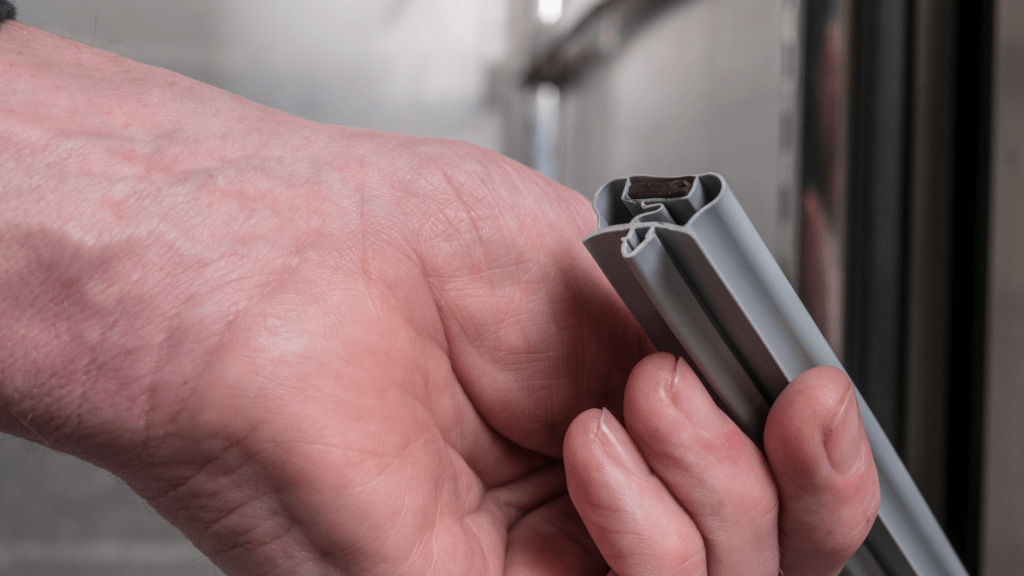
How properly functioning door seals maintain temperature stability and system efficiency
Compared to compressor failure or refrigerant leaks, damaged door seals often appear minor. However, because they create continuous mechanical strain rather than immediate breakdown, they can generate higher cumulative costs over time, making them one of the most underestimated commercial fridge problems.
When warm ambient air infiltrates the cabinet through compromised seals, the refrigeration system must remove additional heat to maintain set temperatures. This increases the system’s thermal load and extends compressor run times.
Even small air gaps can raise overall energy consumption by 10–20% in high-use commercial environments. Over weeks and months, this continuous energy draw significantly impacts operating costs, particularly in businesses running multiple refrigeration units.
Air infiltration disrupts normal cycling patterns. Instead of reaching temperature set points efficiently, the system operates for longer intervals to compensate for ongoing heat gain.
Extended operation increases discharge temperatures and internal pressure, placing sustained stress on mechanical components. While this may not cause immediate failure, it accelerates wear on internal parts and reduces the compressor’s expected service lifespan.
Warm air entering the cabinet introduces moisture into the controlled environment. This shifts internal humidity levels and can lead to uneven cooling distribution.
Over time, excessive humidity contributes to evaporator icing, restricted airflow and reduced heat exchange efficiency. The system must work harder to achieve stable performance, further compounding mechanical load.

How minor gasket wear can escalate into serious mechanical and energy issues
One reason damaged seals become costly is that deterioration develops gradually rather than suddenly. Because performance decline is incremental, businesses often adapt to subtle changes in cooling behaviour without recognising the underlying cause.
In many cases, higher energy usage or longer compressor cycles are attributed to heavy workload rather than gasket failure.
Commercial kitchens and retail settings expose door seals to constant opening and closing, cleaning chemicals and temperature variation. Over time, gaskets may:
Because deterioration happens slowly, temperature instability may only appear during peak trading hours, making the issue harder to detect.
Common signs of seal damage include:
Ignoring these early indicators allows minor seal issues to escalate into increased energy consumption, internal moisture build-up and eventual mechanical strain.
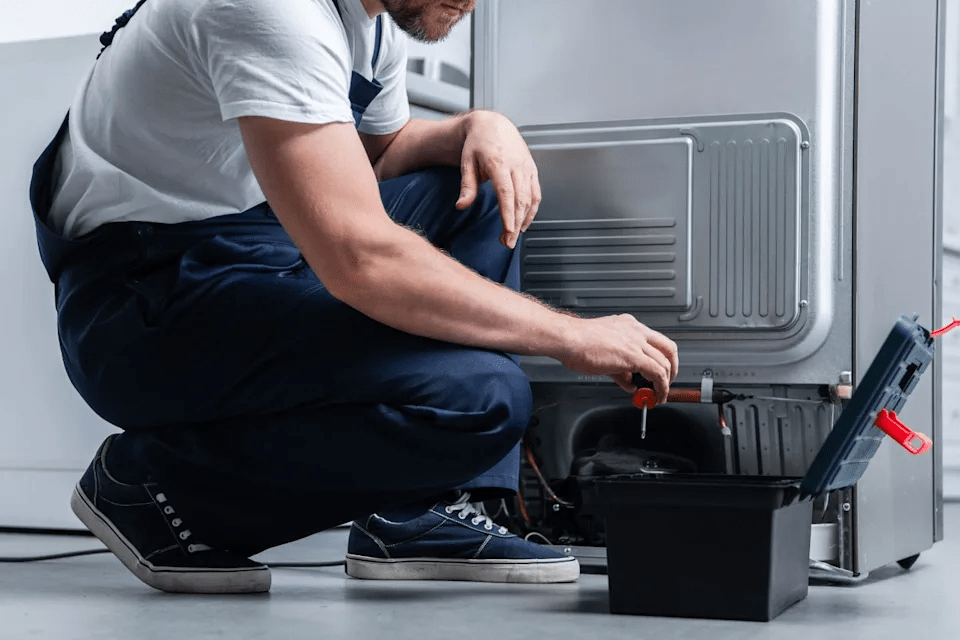
Why gradual gasket deterioration is frequently overlooked in busy commercial environments
While door seals are relatively inexpensive components, the operational and financial consequences of neglecting them can be substantial. The true cost is rarely the gasket itself. It lies in the cumulative impact of increased energy usage, reduced component lifespan and workflow disruption.
As performance gradually declines, businesses often compensate manually before recognising the root cause. Staff may increase temperature monitoring, relocate stock to maintain compliance or adjust storage practices during peak trading hours.
These reactive measures consume time and labour while masking the underlying issue. In high-demand environments such as commercial kitchens or supermarkets, even minor inefficiencies can disrupt service flow and productivity.
Replacing a door seal is typically straightforward, minimally disruptive and cost-effective. In contrast, compressor replacement or major refrigerant system repairs require specialised labour, potential refrigerant recovery procedures and extended equipment downtime.
The financial difference between proactive gasket replacement and reactive system repair can be significant. What begins as a low-cost maintenance task can escalate into one of the most expensive commercial fridge problems when left unresolved.
Prolonged air leakage does not only affect the compressor. Over time, it disrupts the balance of the entire refrigeration system.
Inconsistent sealing alters internal airflow patterns. Uneven air circulation can cause localised cold spots, evaporator icing and increased defrost cycle frequency.
As the system attempts to compensate, fan motors and defrost components may operate more frequently than designed, accelerating mechanical wear.
Continuous humidity intrusion and thermal fluctuation strain multiple components simultaneously. Electrical controls, sensors and internal fans may begin compensating for unstable conditions, leading to broader system inefficiencies.
At this stage, the issue extends beyond simple gasket wear. The refrigeration unit may require comprehensive inspection to assess secondary damage and restore optimal performance.
What started as a minor seal fault can evolve into extensive mechanical intervention if not addressed early.
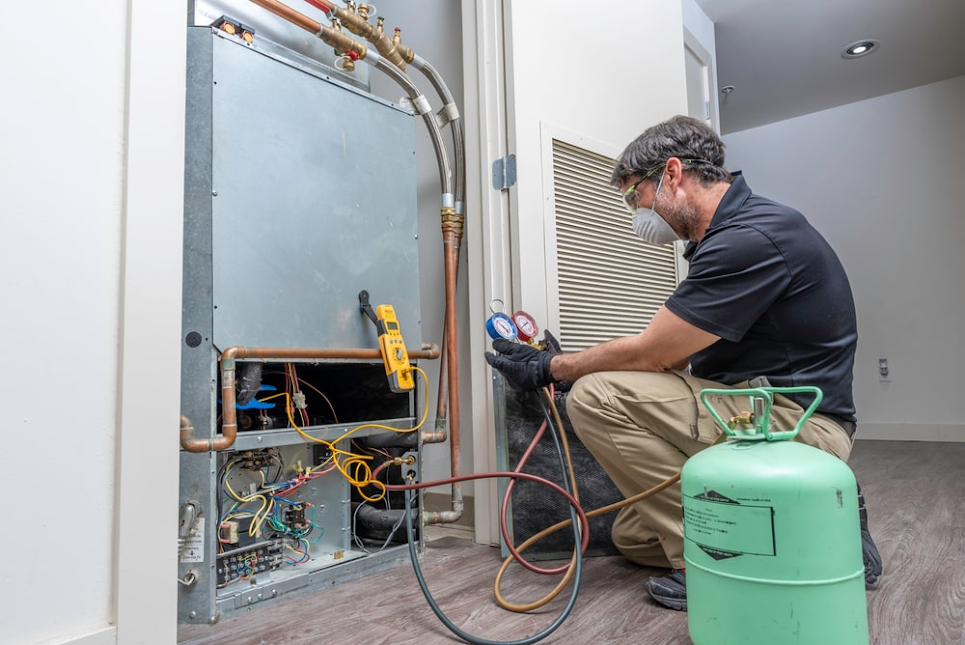
How prolonged air leakage can trigger broader refrigeration system failures
Not every seal issue requires immediate shutdown, but recognising the difference between surface wear and system-level impact is critical to preventing larger refrigeration failures.
When these symptoms appear, timely gasket replacement can often restore normal performance without further mechanical intervention.
If cooling performance has declined noticeably, or if ice formation and abnormal compressor cycling are present, the issue may extend beyond simple gasket wear.
At this stage, the refrigeration system may already be compensating for prolonged air leakage. A structured inspection can determine whether airflow imbalance, coil icing or compressor stress has developed as secondary damage.
Engaging a professional commercial fridge service ensures the problem is accurately diagnosed rather than temporarily masked. Licensed technicians can assess seal integrity, compressor load patterns and overall system efficiency to confirm whether replacement alone is sufficient.
Early professional evaluation reduces the risk of repeated faults and helps maintain stable, energy-efficient refrigeration performance.
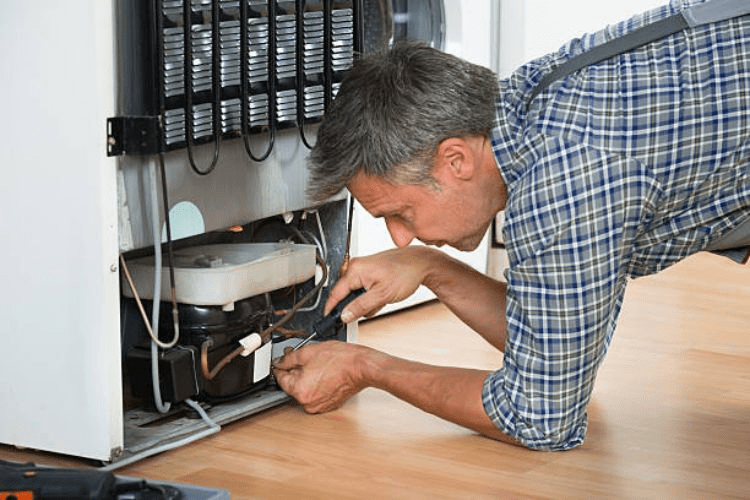
How to recognise early warning signs before secondary mechanical damage develops
Preventative maintenance plays a critical role in reducing the likelihood of gasket deterioration developing into costly refrigeration faults. In high-use commercial settings, even minor seal wear can compound over time if not routinely monitored.
Regular visual inspections allow businesses to identify early cracking, loosening or misalignment before air leakage affects cooling performance. Including gasket checks as part of scheduled servicing ensures minor wear is addressed before it impacts system performance. Structured preventative commercial refrigeration maintenance reduces the likelihood of emergency breakdowns and helps maintain long-term energy efficiency.
Proactive inspection reduces the risk of emergency intervention.
Debris, grease and residue accumulation can prevent door seals from achieving a full airtight closure. Cleaning gaskets with mild detergent and avoiding harsh chemicals helps preserve elasticity and magnetic integrity.
Maintaining clean seal surfaces also reduces the likelihood of uneven compression and premature gasket failure.
In fast-paced commercial kitchens and retail environments, door handling habits significantly impact seal longevity. Avoiding door slamming, confirming full closure and preventing obstruction by stock or packaging materials reduce mechanical stress on gaskets.
Small operational adjustments can meaningfully extend seal lifespan and support stable refrigeration performance.

Maintenance practices that extend gasket lifespan and protect cooling performance
Damaged door seals may appear minor, but they can quickly become one of the most expensive commercial fridge problems if ignored. What begins as a small air leak can evolve into energy inefficiency, compressor strain and stock loss.
If your Melbourne business suspects door seal wear or refrigeration performance issues, early professional assessment can prevent costly repairs and operational disruption. Contact us today on 1300 104 210 to arrange expert inspection and reliable commercial refrigeration support.
If you manage a commercial kitchen, cold room, or display fridge fleet in Melbourne, you've probably faced this call at some point: a unit…
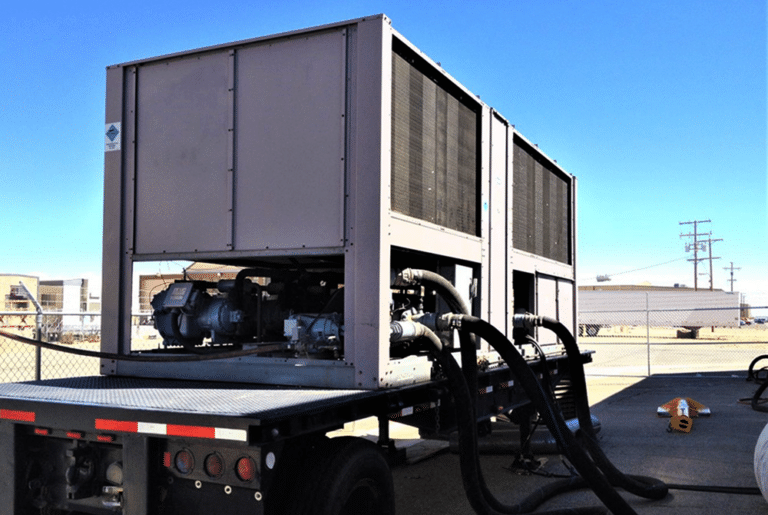
When a display fridge, cool room, or freezer goes down, the clock starts immediately. Stock begins losing temperature control from the moment the unit…
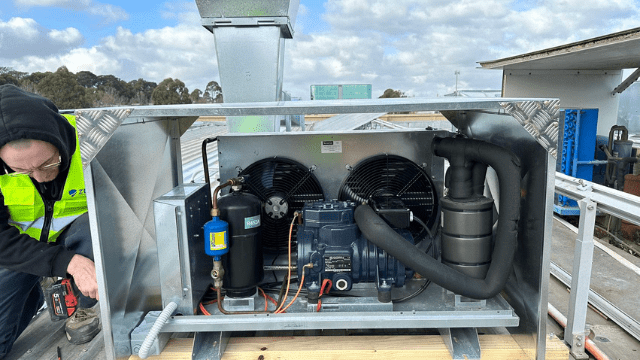
Commercial refrigeration emergencies don't strike at random. Ask any technician who's done an after-hours callout, and they'll tell you the same thing: breakdowns cluster…
Our simple & effortless process ensures you will be provided with a free quote promptly, but also ensures you will have any questions answered along the way.