How to Know If Your Commercial Refrigeration Fault Is an Emergency or Can Wait
If you manage a commercial kitchen, cold room, or display fridge fleet in Melbourne, you've probably faced this call at some point: a unit…
If your commercial fridge is not holding temperature, your stock and operations could already be at risk. For Melbourne businesses, unstable refrigeration can lead to spoilage, compliance concerns and rising energy costs. Understanding what causes temperature failure, and when to act, is essential to protecting your inventory and maintaining reliable cooling performance.
A commercial fridge not holding temperature is rarely a minor issue. When internal temperatures fluctuate or fail to recover quickly, it usually indicates a problem within the refrigeration system. Understanding what this instability means can help prevent stock loss and equipment damage.
In Australia, most commercial refrigeration units used for food storage are expected to maintain temperatures between 2°C and 5°C. This range ensures stable preservation conditions and supports consistent cooling performance across high-use commercial environments.
If your fridge regularly exceeds this range, struggles to recover after door openings, or displays uneven temperature readings, it may indicate declining system efficiency or sensor inaccuracy.
Temperature instability often points to issues such as:
Left unresolved, these problems can increase compressor workload, elevate energy consumption and accelerate system deterioration, ultimately shortening the lifespan of your commercial refrigeration equipment.
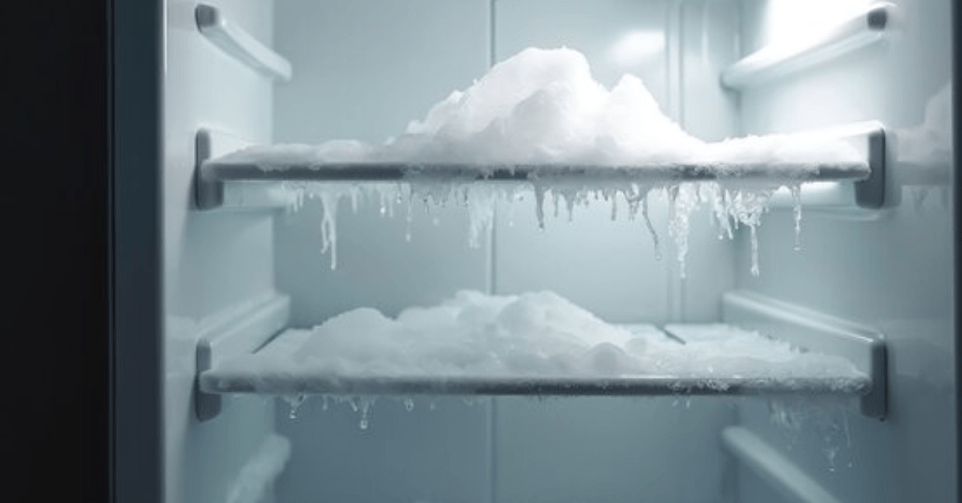
What unstable internal temperatures indicate about system performance
When a commercial fridge fails to maintain temperature, the immediate concern is inventory integrity. Even minor and repeated fluctuations can gradually compromise product safety, quality and shelf life, sometimes before visible signs appear.
When temperatures move outside recommended storage conditions, food safety risks increase significantly. Extended exposure to elevated temperatures can accelerate microbial growth and compromise product integrity.
For businesses operating under Australian food safety standards, maintaining accurate temperature control is essential for regulatory compliance, audit readiness and risk management.
When a commercial fridge is not holding temperature, the financial consequences can extend well beyond the value of discarded stock. Spoilage often leads to unexpected write-offs, urgent supplier reorders and operational disruption, particularly in high-volume hospitality and retail environments.
Inconsistent refrigeration can also affect menu planning, delay service and reduce customer confidence. Over time, repeated temperature instability may increase insurance scrutiny and contribute to higher operational costs, placing unnecessary pressure on already tight margins.
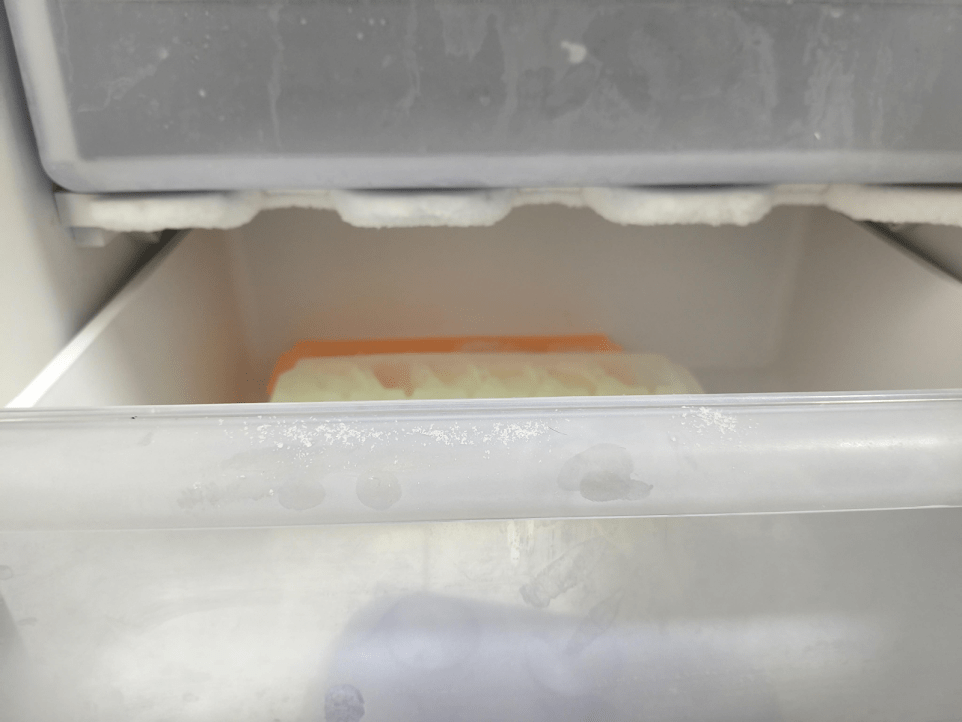
How inconsistent cooling conditions can compromise food safety and product quality
Several mechanical, airflow and system-related issues can prevent a commercial fridge from maintaining stable cooling performance. While some problems develop gradually, others can cause sudden temperature instability that threatens stock integrity.
A malfunctioning thermostat or temperature sensor may send inaccurate data to the control system. As a result, the fridge may cycle incorrectly, overcool certain sections or fail to activate the compressor when required.
Sensor inaccuracies often lead to inconsistent cabinet temperatures, even when the display appears normal.
Low refrigerant levels or refrigerant leaks significantly reduce cooling efficiency. Without sufficient refrigerant, the system cannot effectively absorb and transfer heat, resulting in slow temperature recovery or continuous compressor operation.
Because refrigerant systems operate under regulated conditions in Australia, leak detection and recharging must be performed by licensed technicians with experience in commercial refrigeration repair.
Condenser and evaporator coils require proper airflow to dissipate heat efficiently. Dust, grease or debris build-up restricts heat exchange, placing additional strain on the compressor and reducing cooling capacity.
Internally, blocked vents or overcrowded shelving can disrupt air circulation, creating uneven temperature zones throughout the cabinet.
Damaged, loose or brittle door seals allow warm ambient air to enter the fridge. This increases internal humidity, forces the system to work harder and contributes to unstable temperature control.
Over time, minor gasket wear can significantly affect overall refrigeration performance.
The compressor is the core component of any commercial refrigeration system. Electrical irregularities, capacitor failure or mechanical wear can interrupt the refrigeration cycle and prevent the unit from reaching target temperatures.
Unlike airflow or seal issues, compressor and electrical faults typically require professional diagnostics to prevent further system damage.
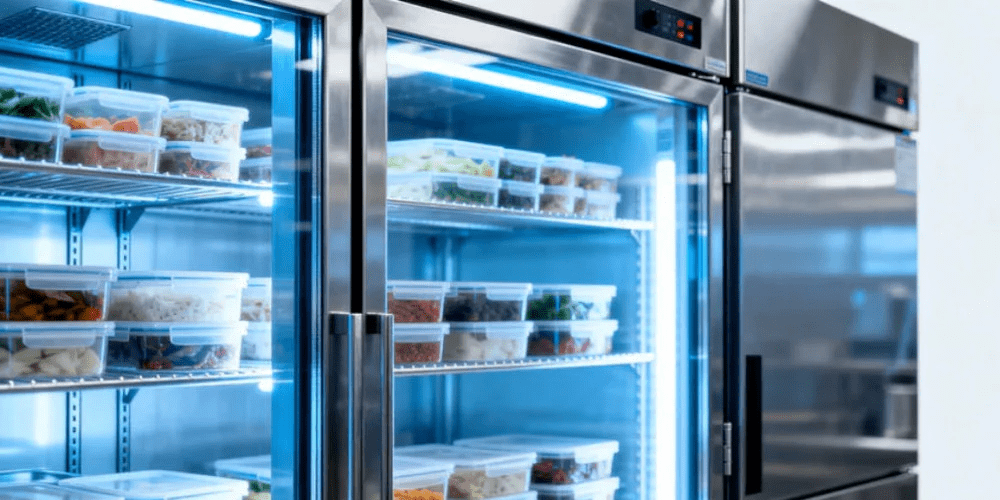
The most frequent mechanical, airflow and component issues behind cooling instability
If your commercial fridge is not holding temperature, early action can help minimise stock loss and prevent further strain on the refrigeration system. The goal is to stabilise conditions while determining whether the issue is temporary or requires technical intervention.
These immediate steps help contain risk while you assess whether cooling performance returns to safe operating levels.
If temperatures remain unstable, continue rising, or fail to recover within a reasonable timeframe, it may be necessary to discontinue use until professional assessment is completed.
Operating a commercial fridge outside safe temperature ranges can compromise product safety, increase compressor workload and potentially lead to more extensive mechanical damage. When stability cannot be restored quickly, halting operation is often the safest course of action.
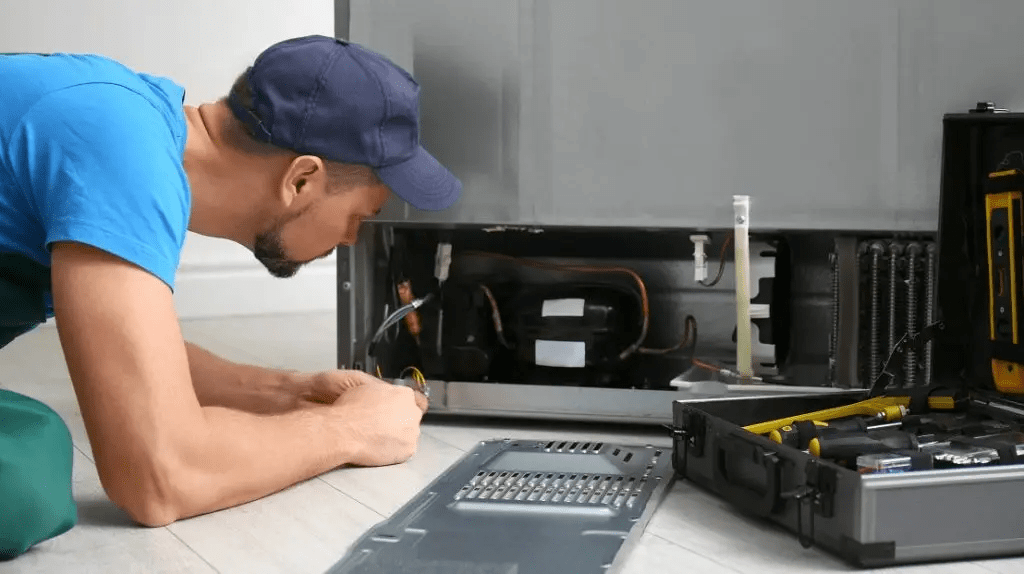
Immediate steps businesses should take to protect stock and prevent escalation
Persistent cooling failure typically indicates more complex internal faults that require technical inspection. Arranging a professional commercial fridge service ensures a comprehensive system assessment, including refrigerant levels, electrical diagnostics and airflow evaluation.
Commercial refrigeration systems involve pressurised refrigerant circuits, electrical control systems and precision temperature calibration. Attempting advanced repairs without proper training can worsen damage and increase long-term repair costs.
Timely professional servicing not only restores cooling performance but also protects your stock and equipment from escalating damage.
Accurate fault diagnosis helps address the root cause rather than applying temporary fixes. Our ARCtick-licensed team supports Melbourne businesses across hospitality, retail and food production sectors, providing structured system assessments, refrigerant checks and electrical diagnostics tailored to commercial environments.
By identifying the root cause early, we help prevent extended stock exposure, reduce compressor strain and minimise the risk of major system failure. For businesses operating on tight margins, proactive intervention is typically far more cost-effective than reactive emergency breakdown repair.
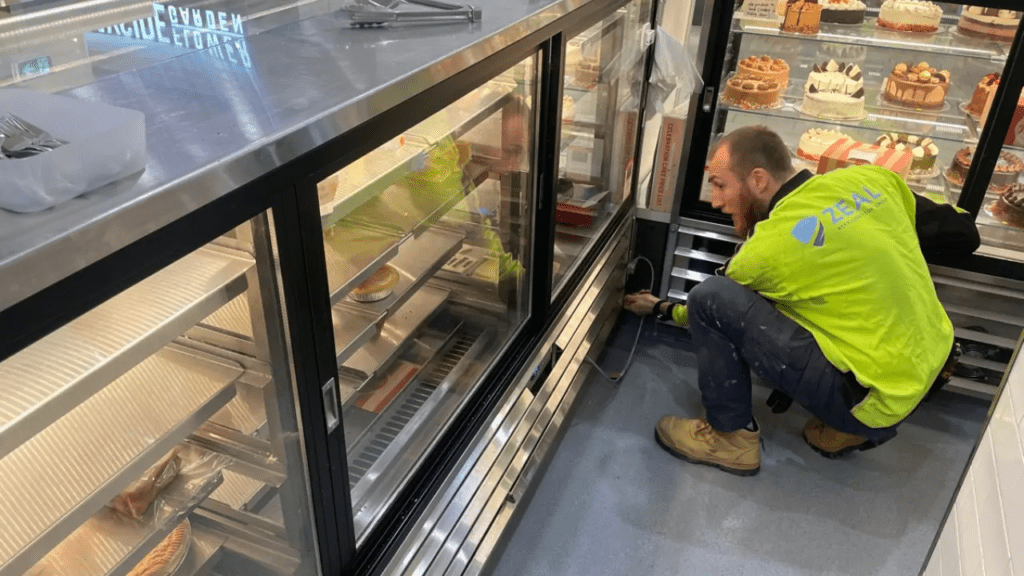
Key warning signs that indicate the need for licensed refrigeration support
Temperature instability rarely happens without warning. In many cases, gradual component wear, airflow imbalance or minor calibration drift develops over time. A structured preventative approach significantly reduces the likelihood of recurring cooling failure.
Routine commercial refrigeration maintenance plays a critical role in long-term temperature stability. Professional inspections help ensure:
Regular servicing allows developing faults to be identified early, before they place excessive strain on compressors or compromise stored stock.
Operational habits also have a measurable impact on refrigeration performance.
Encourage staff to:
In high-traffic commercial environments, even small operational adjustments can improve airflow balance and reduce unnecessary temperature fluctuation. Combining preventative maintenance with disciplined daily practices supports long-term system reliability.

Proactive maintenance strategies to ensure consistent and reliable cooling performance
A commercial fridge not holding temperature is more than a technical inconvenience; it is a warning sign that requires attention. Early diagnosis and corrective action protect both your equipment and your inventory.
If your Melbourne business is experiencing unstable refrigeration performance, taking action promptly can help prevent unnecessary losses and restore dependable cooling. Call our team today on 1300 104 210 or visit our Contact Us page to arrange a professional inspection and expert support.
If you manage a commercial kitchen, cold room, or display fridge fleet in Melbourne, you've probably faced this call at some point: a unit…
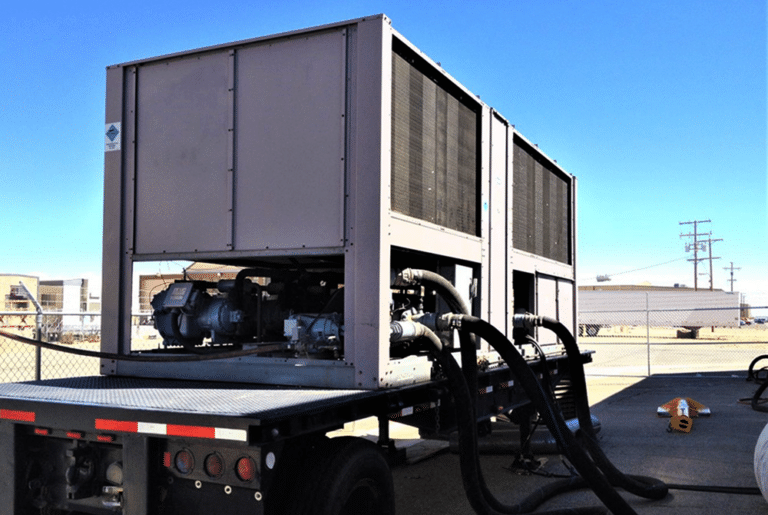
When a display fridge, cool room, or freezer goes down, the clock starts immediately. Stock begins losing temperature control from the moment the unit…
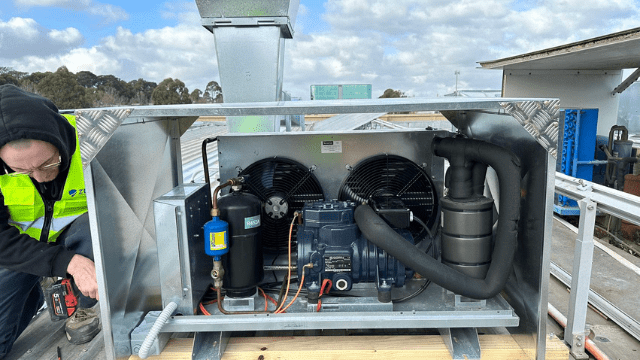
Commercial refrigeration emergencies don't strike at random. Ask any technician who's done an after-hours callout, and they'll tell you the same thing: breakdowns cluster…
Our simple & effortless process ensures you will be provided with a free quote promptly, but also ensures you will have any questions answered along the way.