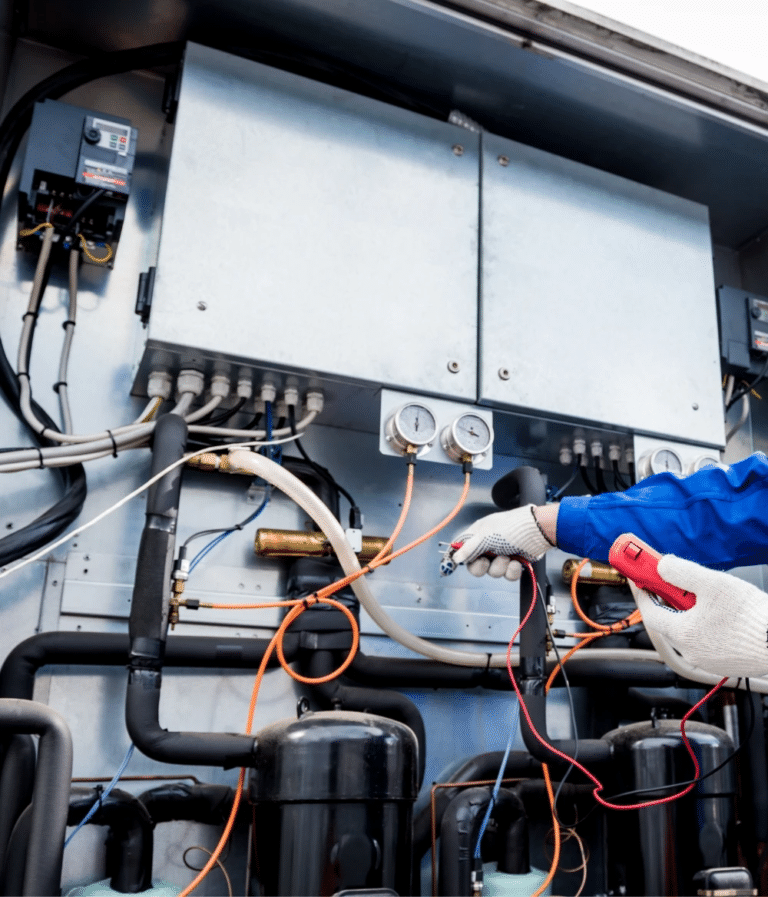
How to Know If Your Commercial Refrigeration Fault Is an Emergency or Can Wait
If you manage a commercial kitchen, cold room, or display fridge fleet in Melbourne, you've probably faced this call at some point: a unit…
Noticed water pooling under your commercial fridge? For Melbourne businesses, this is more than a minor inconvenience; it is a warning sign of potential refrigeration failure, food safety risks and costly downtime. In this guide, Zeal Group explains what causes leaks, how to troubleshoot safely, and when to call professional commercial fridge repair specialists.
Water leaking from a commercial refrigerator is never “normal”. While minor condensation can occur during heavy use, visible pooling on the floor usually indicates a mechanical or drainage issue. Understanding the root cause is essential to prevent equipment breakdown, electrical hazards and food spoilage.
Several refrigeration faults may lead to water forming underneath your unit:
Ignoring these issues can quickly escalate into compressor strain or full system failure.
Water pooling isn’t just a maintenance issue; it’s a serious business risk that can quickly escalate if ignored.
For hospitality venues, supermarkets and food production facilities, refrigeration downtime directly impacts daily operations, profitability and brand reputation.
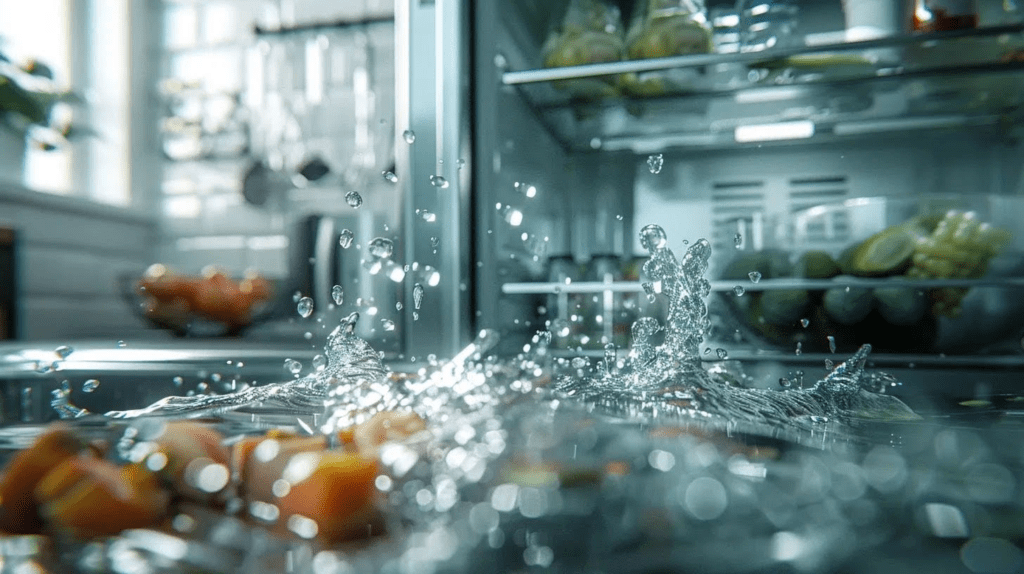
Understanding the common reasons water collects beneath commercial refrigeration units
Before calling for emergency commercial fridge repair, there are several structured checks your team can perform. Acting quickly reduces operational disruption and protects your business from avoidable losses.
Safety must always come first, particularly in high-traffic hospitality and retail environments.
These practical checks help determine whether the issue is minor maintenance-related or a deeper mechanical fault within the refrigeration system.
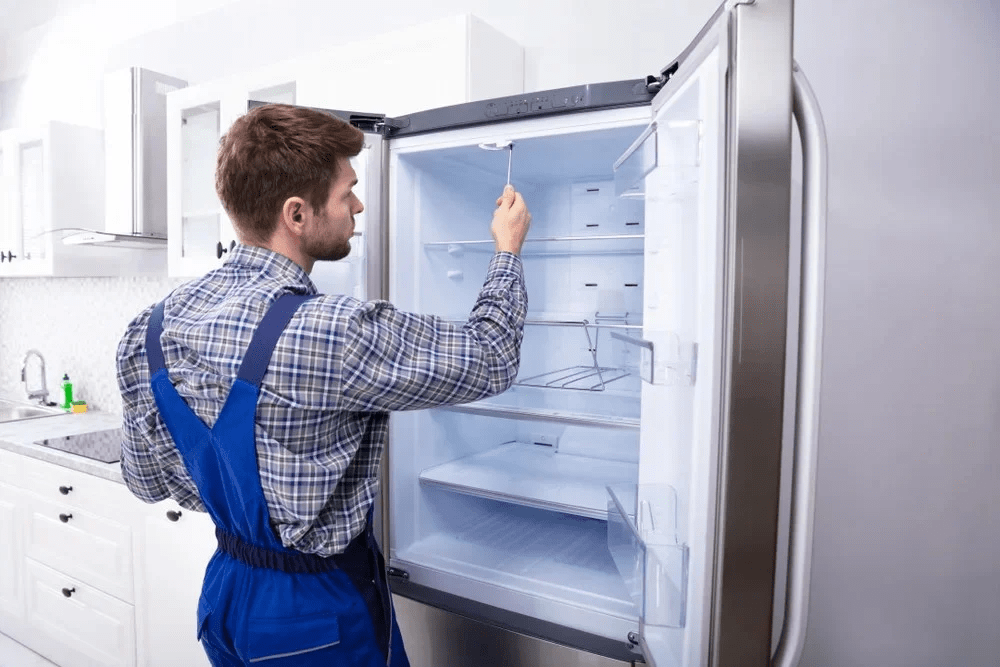
A practical guide to identifying the source of water leaks in your fridge
For minor refrigeration issues, a few practical maintenance steps may resolve water pooling without requiring immediate service. However, these solutions are suitable only for surface-level problems. If leaks persist, professional commercial refrigeration repair is recommended.
A partially blocked condensate drain is one of the most common causes of water leakage in commercial fridges.
Use warm (never boiling) water to gently flush the drain line. A flexible plastic cleaner can help remove debris safely. Avoid inserting sharp or metal objects, as these may damage internal tubing and lead to more serious repairs.
In high-use environments, visually checking the drain opening at least once per month can help prevent gradual build-up that often goes unnoticed.
During normal operation, defrost water collects in the drain pan and evaporates. If the pan is cracked, misaligned or excessively dirty, overflow may occur.
Carefully remove and clean the pan using mild detergent. Inspect it for structural damage or warping. In commercial settings, replacing a compromised drain pan is typically more reliable than attempting temporary repairs.
Before restarting the unit, ensure the pan sits securely in its designated position to allow proper evaporation.
Door seals help maintain internal temperature stability and control moisture levels. When gaskets become brittle, torn or loose, warm air enters the unit, increasing condensation.
Run your hand slowly along the gasket edges to detect escaping cold air. If the seal no longer provides resistance when closing the door, replacement may be necessary.
Inspecting door seals every few months, particularly in busy hospitality environments, can help maintain energy efficiency and reduce unnecessary moisture build-up.

Simple troubleshooting steps that may resolve minor drainage issues
While minor blockages can sometimes be resolved in-house, most commercial refrigeration issues require specialised diagnostic tools and licensed expertise. Delaying professional repair can turn a minor leak into a full system failure.
If you notice any of the following issues, it is time to contact a qualified commercial refrigeration technician:
Commercial refrigeration systems are complex mechanical environments involving compressors, refrigerant circuits and electronic control systems. Attempting advanced repairs without proper training can worsen damage, void warranties and significantly increase long-term repair costs.
For Melbourne businesses that rely on uninterrupted refrigeration, early professional servicing ensures accurate fault detection, compliance protection and long-term operational reliability.
A qualified commercial refrigeration technician will:
Professional servicing not only resolves the immediate water pooling issue but also improves system efficiency, reduces energy consumption and prevents recurring breakdowns.
For Melbourne businesses, proactive commercial fridge repair is significantly more cost-effective than emergency replacement.
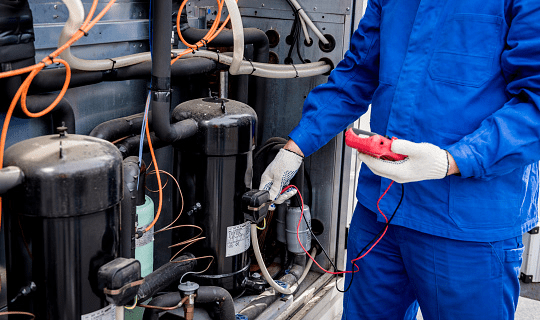
Signs the problem requires expert commercial refrigeration support
Persistent water pooling often signals an underlying refrigeration imbalance that requires technical diagnostics rather than surface-level cleaning.
Our team supports Melbourne businesses across hospitality, retail, healthcare and food production sectors, where refrigeration reliability directly impacts daily operations. We understand the demands of high-traffic commercial environments and respond with practical solutions tailored to each system configuration.
With ARCtick-licensed technicians and decades of hands-on industry experience, we provide structured fault diagnosis, breakdown response and preventative servicing for commercial fridges, freezers and cool rooms.
Rather than applying temporary fixes, we focus on identifying root causes, whether related to airflow imbalance, component wear or installation factors, to restore stable cooling performance and long-term reliability.
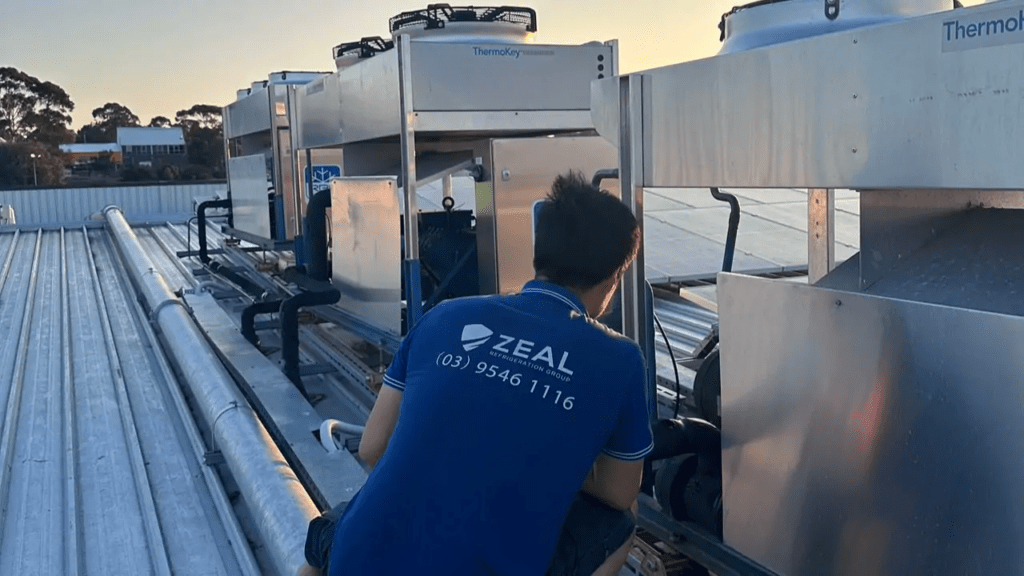
Reliable commercial refrigeration services for Melbourne businesses
Preventing water pooling under a commercial fridge is far easier and more cost-effective than dealing with emergency repairs or food spoilage. A combination of routine maintenance and proper day-to-day use can significantly reduce the risk of recurring leaks.
Routine maintenance plays a critical role in preventing condensation-related problems before they escalate.
Regular inspections can help to:
In high-use commercial environments such as restaurants and supermarkets, preventative refrigeration care at least twice per year helps minimise the risk of breakdowns and operational disruption.
Daily usage habits have a direct impact on moisture levels, airflow balance and overall condensation management within a commercial fridge.
Encourage staff to:
In busy commercial environments where fridge doors are opened frequently, airflow imbalance is one of the most common contributors to moisture build-up. In some cases, recurring condensation issues may also be linked to incorrect unit positioning or poor initial commercial refrigeration installation, which can affect long-term system efficiency.
For larger facilities, refrigeration layout and refrigeration system design also play an important role in maintaining stable airflow and preventing excess moisture accumulation.
By combining proper installation, thoughtful system design and disciplined day-to-day practices, businesses can significantly reduce the risk of water pooling while supporting reliable cooling performance over the long term.
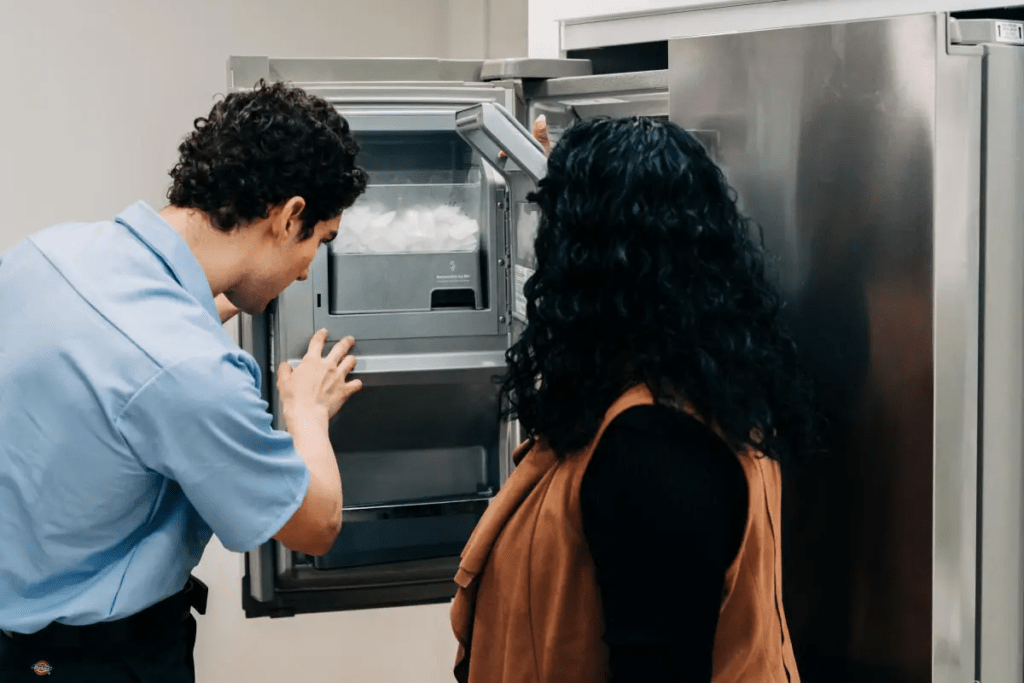
Preventative maintenance practices to reduce the risk of recurring leaks
Water pooling beneath a commercial fridge should never be dismissed as routine condensation. In many cases, it indicates an imbalance within the refrigeration system that requires attention.
Addressing the issue early, whether through basic maintenance or professional assessment, helps maintain consistent cooling performance and protects your equipment investment.
If your Melbourne business is experiencing ongoing refrigeration concerns, speak with our team on 1300 104 210 or visit our Contact Us page to arrange an inspection.
If you manage a commercial kitchen, cold room, or display fridge fleet in Melbourne, you've probably faced this call at some point: a unit…
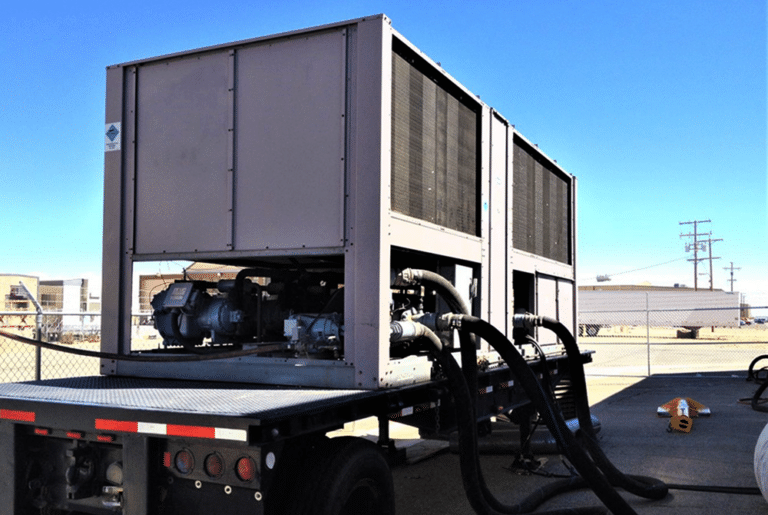
When a display fridge, cool room, or freezer goes down, the clock starts immediately. Stock begins losing temperature control from the moment the unit…
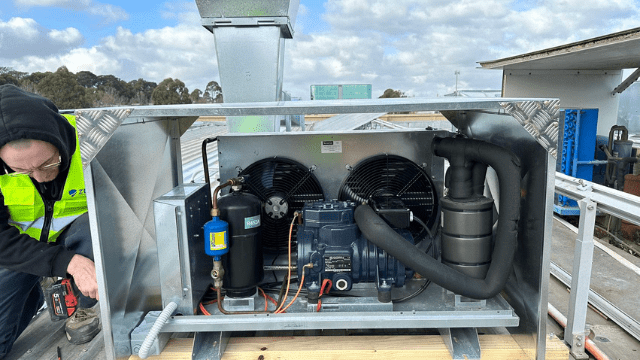
Commercial refrigeration emergencies don't strike at random. Ask any technician who's done an after-hours callout, and they'll tell you the same thing: breakdowns cluster…
Our simple & effortless process ensures you will be provided with a free quote promptly, but also ensures you will have any questions answered along the way.