How to Know If Your Commercial Refrigeration Fault Is an Emergency or Can Wait
If you manage a commercial kitchen, cold room, or display fridge fleet in Melbourne, you've probably faced this call at some point: a unit…
When a commercial fridge won’t start, the problem can quickly escalate into lost stock, food safety risks and costly downtime. In busy environments such as restaurants, cafés and retail stores, refrigeration systems work almost constantly, which increases the likelihood of mechanical or electrical issues. Understanding the most common causes behind startup failures can help you respond faster. This guide explains why commercial fridges stop starting, what you should check first and when professional service may be necessary.
In many cases, a commercial fridge does not stop working without warning. Small performance issues often appear first, especially in high-use environments where refrigeration systems operate almost constantly. Recognising these early warning signs can help businesses address problems before the fridge completely fails to start and causes costly downtime.
Strange noises are often one of the first indicators that something is wrong inside a commercial refrigeration system. Clicking sounds may occur when the compressor attempts to start but fails, while buzzing noises can signal electrical or motor-related problems.
If these sounds appear repeatedly when the fridge tries to start, it may indicate compressor strain, relay faults or other internal electrical issues that require attention.
Another common warning sign is unstable cooling performance before the fridge stops starting altogether. For example, the internal temperature may fluctuate unexpectedly or the fridge may take longer than usual to reach the correct cooling level.
These issues can occur when components such as the thermostat, condenser coils or compressor begin to wear out. Ignoring inconsistent cooling can eventually lead to a complete startup failure.
Unexpected shutdowns or intermittent power loss can also signal underlying electrical problems. A commercial fridge that frequently turns off or struggles to restart may be experiencing issues with power supply, circuit breakers or internal wiring.
When these interruptions occur repeatedly, it is important to investigate the cause promptly to prevent a full refrigeration breakdown.
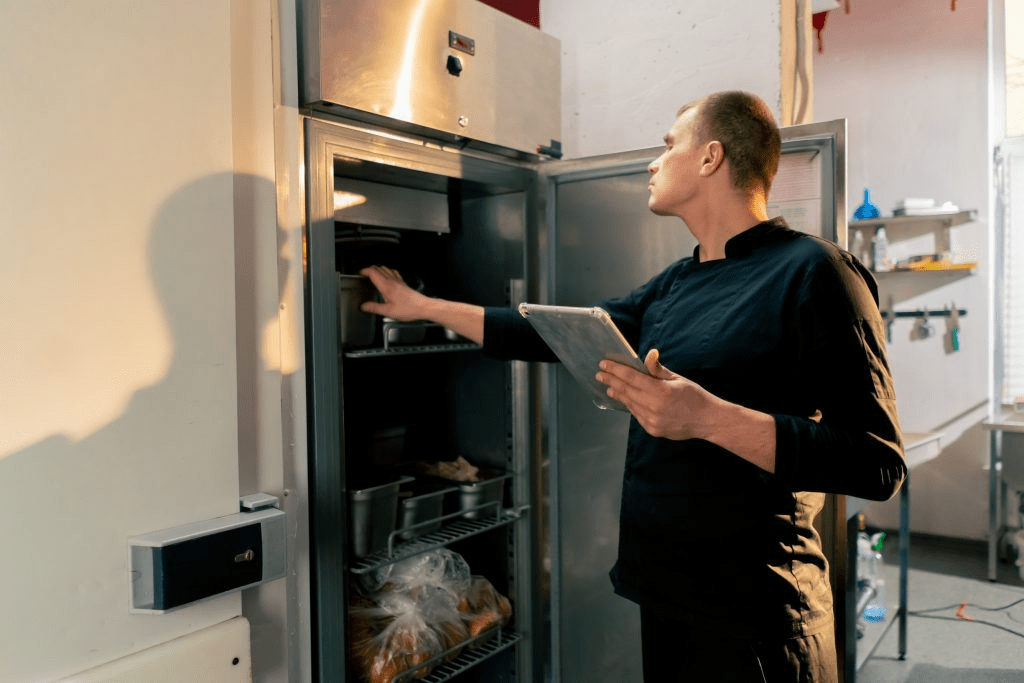
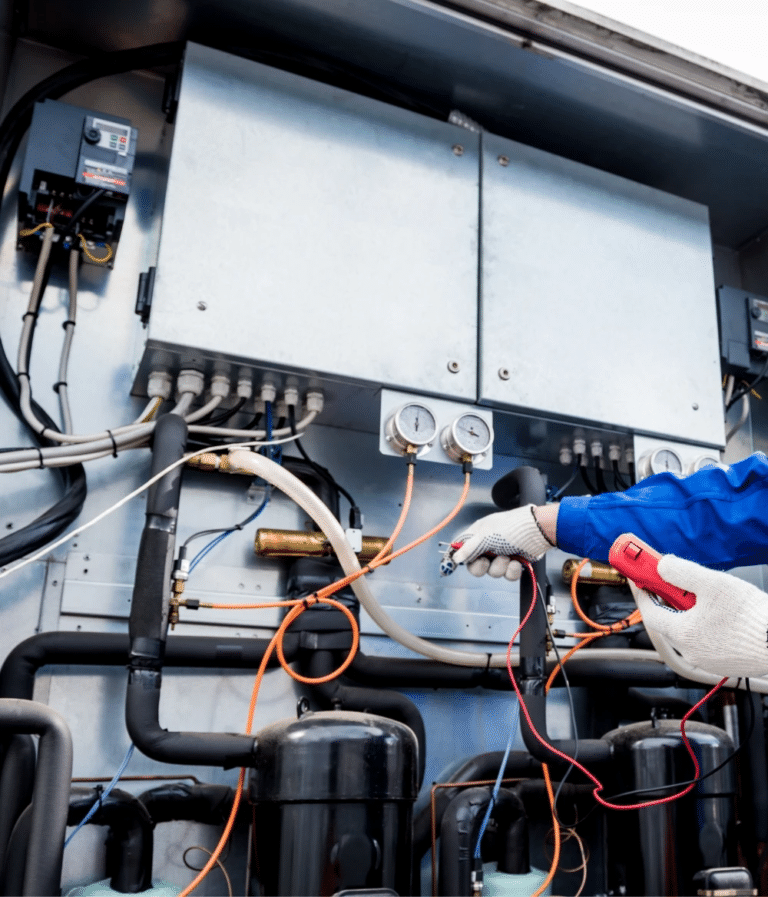
Early warning signs may indicate commercial fridge startup problems
Understanding how a commercial fridge starts can make it easier to recognise why problems occur. Commercial refrigeration systems rely on several components working together to begin the cooling cycle. When any part of this startup process fails, the fridge may struggle to turn on or stop starting altogether.
The compressor is the core component responsible for driving the refrigeration cycle. When the fridge starts, the compressor compresses refrigerant gas and pushes it through the system to remove heat from inside the cabinet.
If the compressor cannot start properly, the entire cooling process will fail. Problems such as electrical faults, overheating or worn components can prevent the compressor from activating.
Several electrical parts support the compressor during startup. Components such as relays, capacitors and control boards help deliver the correct voltage and timing needed for the system to begin operating.
If these components malfunction, the compressor may attempt to start but fail repeatedly. In some cases, this can produce clicking sounds or cause the system to shut down to prevent damage.
Once the compressor starts successfully, refrigerant begins circulating through the condenser and evaporator coils. This process removes heat from the fridge interior and maintains the required storage temperature.
However, if airflow is restricted, condenser coils are blocked or sensors provide incorrect readings, the cooling cycle may not activate correctly. When this happens, the system may struggle to start or stop functioning entirely.
Understanding how commercial fridge startup systems work helps identify why failures occur
There are several mechanical and electrical issues that can prevent a commercial refrigerator from starting. Understanding these common causes can help business owners identify potential problems before they worsen.
Power supply issues are among the most frequent reasons a commercial fridge fails to start. In busy commercial environments, outlets can become loose, overloaded or accidentally disconnected during daily operations.
If the unit is not receiving stable power, critical components such as the compressor and cooling system will not activate. Checking that the fridge is securely plugged in and connected to a functioning power source is often the first and simplest troubleshooting step.
Commercial refrigeration equipment draws a significant amount of electricity. When circuits become overloaded, the breaker may trip or a fuse may blow to prevent damage to the electrical system.
When this happens, the fridge may suddenly stop working or fail to start altogether. Resetting the breaker can sometimes restore power, but repeated tripping usually indicates a deeper electrical issue that should be professionally inspected.
The compressor plays a central role in the refrigeration cycle by circulating refrigerant through the system to maintain cooling temperatures.
If the compressor cannot start or has completely failed, the fridge will not be able to cool and may remain inactive. Compressor problems can occur due to age, electrical faults, overheating or prolonged strain from heavy use.
Modern commercial refrigerators rely on electronic control boards to regulate temperature and manage system operations. When these components malfunction, the fridge may not respond properly or may fail to start.
Issues such as damaged wiring, worn relays or faulty switches can interrupt the electrical signals required for the system to operate. Diagnosing these problems usually requires specialised tools and technical expertise.
Thermostats and temperature sensors monitor internal temperatures and trigger cooling cycles when needed. If these components provide incorrect readings or stop functioning properly, the refrigeration system may not activate.
In some situations, a malfunctioning thermostat can prevent the compressor from starting, making the fridge appear completely unresponsive.
Condenser coils are responsible for releasing heat from the refrigeration system. In busy commercial kitchens, these coils can accumulate grease, dust and debris over time.
When airflow becomes restricted, the system may overheat and automatically shut down to protect internal components. Dirty condenser coils are one of the most common yet overlooked causes of refrigeration problems in high-use environments.
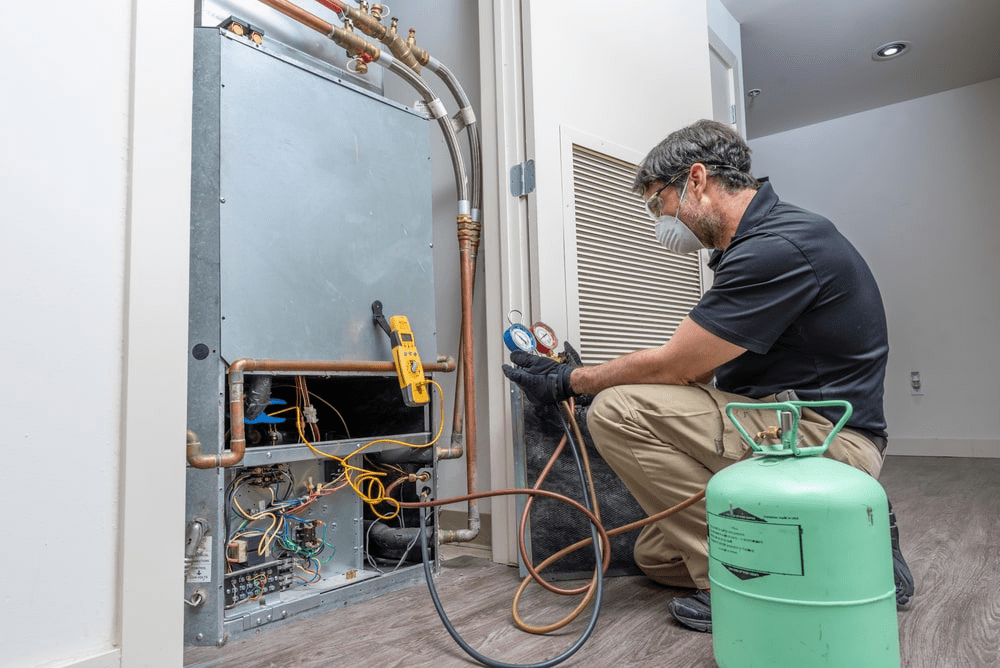
Electrical or mechanical issues can prevent a commercial refrigerator from starting properly
When a commercial fridge suddenly stops working, acting quickly is essential to minimise stock loss and maintain food safety. Even a short interruption in refrigeration can affect perishable goods, particularly in busy food service environments. Taking a few immediate steps can help protect inventory and reduce operational disruption while the issue is being assessed.
The first priority is protecting perishable items stored inside the fridge. Products such as meat, seafood, dairy and prepared foods are particularly sensitive to temperature changes and can spoil quickly if the cooling system stops working.
If another refrigeration unit is available, move high-risk items immediately to maintain safe storage conditions. In situations where alternative refrigeration is not available, placing items in insulated containers or refrigerated storage areas can help slow temperature changes temporarily.
When a refrigeration unit stops cooling, it is important to keep the doors closed as much as possible. Every time the door is opened, cold air escapes and warm air enters the cabinet, accelerating temperature increases.
Reducing door openings helps preserve the remaining cold air inside the unit and can extend the time before temperatures rise above safe levels.
Before assuming a mechanical failure, confirm that the fridge is still receiving power. Check whether the plug is securely connected, ensure the outlet is functioning and inspect the circuit breaker to see if it has tripped.
In some cases, the issue may be caused by a temporary electrical interruption rather than a major equipment fault. Identifying simple power issues early can sometimes restore operation quickly.

Taking immediate action can protect stock and reduce losses during refrigeration failure
Commercial refrigeration plays a critical role across many industries that depend on safe temperature-controlled storage. When a fridge fails to start, the impact can extend beyond equipment downtime and directly affect daily operations, product quality and customer service.
Restaurants, cafés and catering businesses depend heavily on refrigeration systems to store fresh ingredients and prepared foods. If a commercial fridge fails during operating hours, kitchens may struggle to maintain food safety standards while continuing service.
In many cases, businesses must discard ingredients or temporarily adjust menus until refrigeration is restored.
Retail stores and supermarkets rely on refrigeration units to display chilled beverages, dairy products and frozen goods. A fridge failure can quickly lead to product spoilage and lost sales, especially if large quantities of stock are stored in a single unit.
Additionally, businesses must ensure that food safety regulations are followed, which may require removing compromised products from sale.
Food processing plants and cold storage warehouses depend on reliable refrigeration systems to maintain consistent product temperatures throughout storage and distribution.
If refrigeration equipment stops working, production schedules may be disrupted and large quantities of stored goods could be affected. In these environments, refrigeration failures can have significant financial and operational consequences.
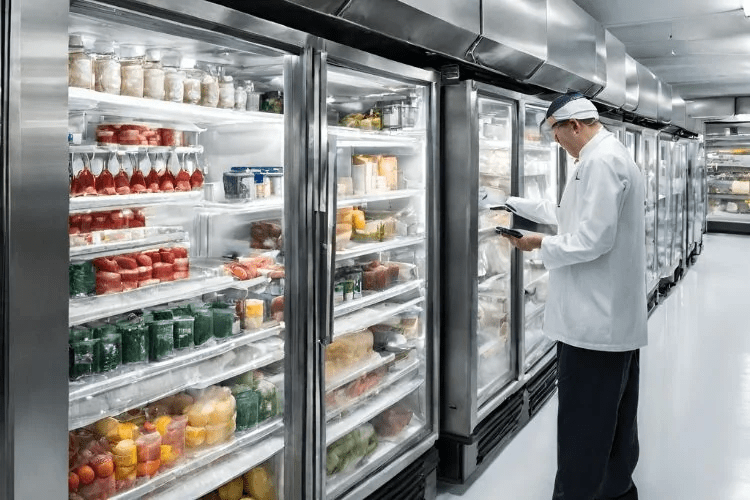
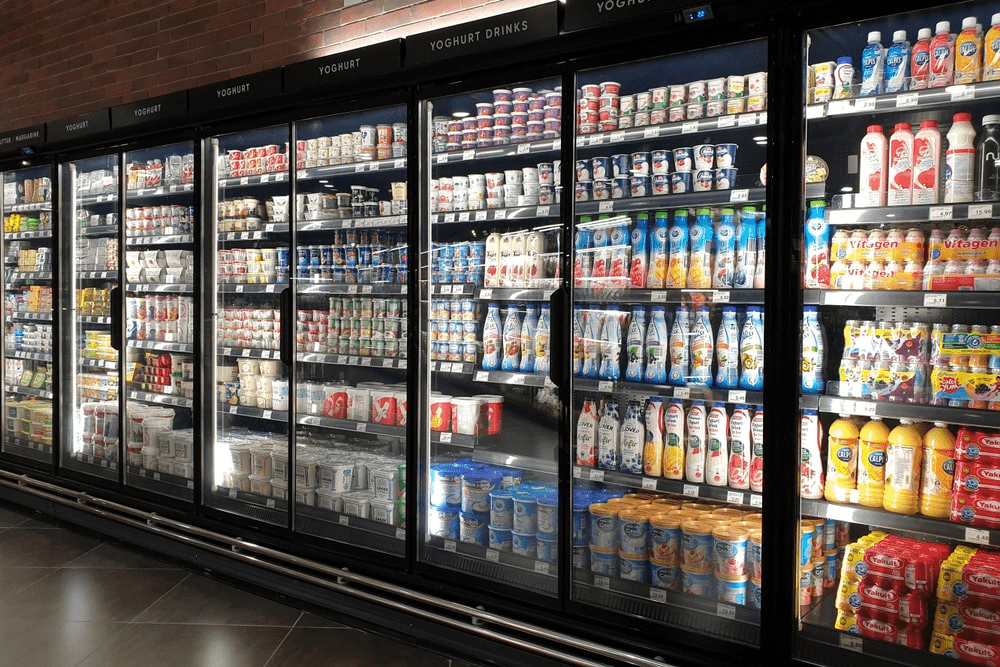
Many industries rely heavily on refrigeration to maintain safe food storage
Before arranging professional repairs, it’s worth performing a few basic checks. In some cases, a commercial fridge may fail to start due to minor issues such as power interruptions, incorrect settings or limited airflow. Identifying these simple problems early can help restore operation quickly and avoid unnecessary downtime.
Start with the following checks:
If the fridge still won’t start after completing these checks, the issue may involve internal components such as the compressor, control board or electrical system. Diagnosing these faults typically requires specialised tools and technical expertise.
Certain warning signs indicate that professional assistance is required. Repeated power interruptions, unstable cooling performance or a compressor that refuses to start are common indicators of deeper system problems.
In these situations, arranging a professional commercial fridge service can help identify the root cause quickly and minimise downtime for your business.
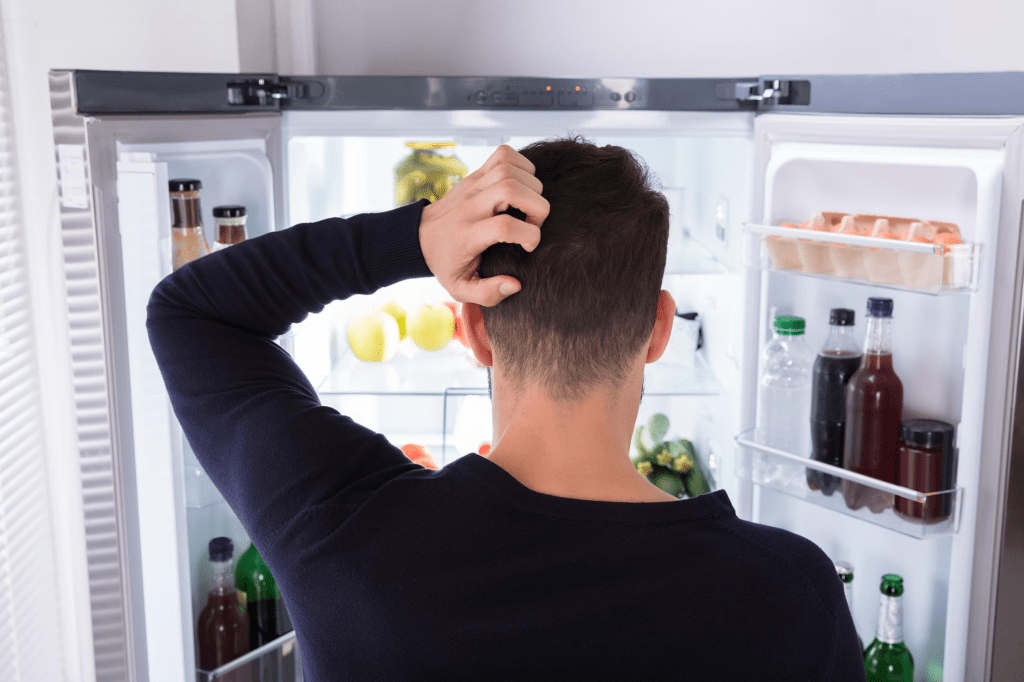
Simple checks can help identify minor issues before arranging professional repairs
Although equipment breakdowns cannot always be prevented, consistent maintenance and good operating practices can greatly reduce the chances of a commercial fridge failing to start. Taking proactive steps helps extend the lifespan of refrigeration systems and keeps daily operations running smoothly.
Regular servicing allows technicians to identify worn components before they cause serious failures. During routine inspections, professionals typically check electrical connections, evaluate refrigerant levels and assess overall system performance.
Businesses that rely on refrigeration equipment can benefit from structured maintenance and preventive services, which help detect potential faults early and keep systems operating reliably.
Condenser coils play an essential role in releasing heat from the refrigeration system. When these coils become covered in dust, grease or debris, the system must work harder to maintain proper cooling.
Keeping coils clean and ensuring adequate airflow around the unit helps maintain efficiency and prevents overheating.
Overloading a commercial fridge can restrict airflow and make it difficult for the system to distribute cold air evenly. This places additional strain on compressors and cooling components.
Organising products carefully and allowing space between items helps maintain stable temperatures and supports consistent system performance.
Partnering with an experienced refrigeration specialist ensures your equipment receives the proper care it needs. Professional technicians can identify early warning signs, carry out preventative servicing and recommend improvements suited to high-use commercial environments.
For businesses that depend on reliable refrigeration, professional servicing plays a key role in preventing unexpected breakdowns and startup failures.
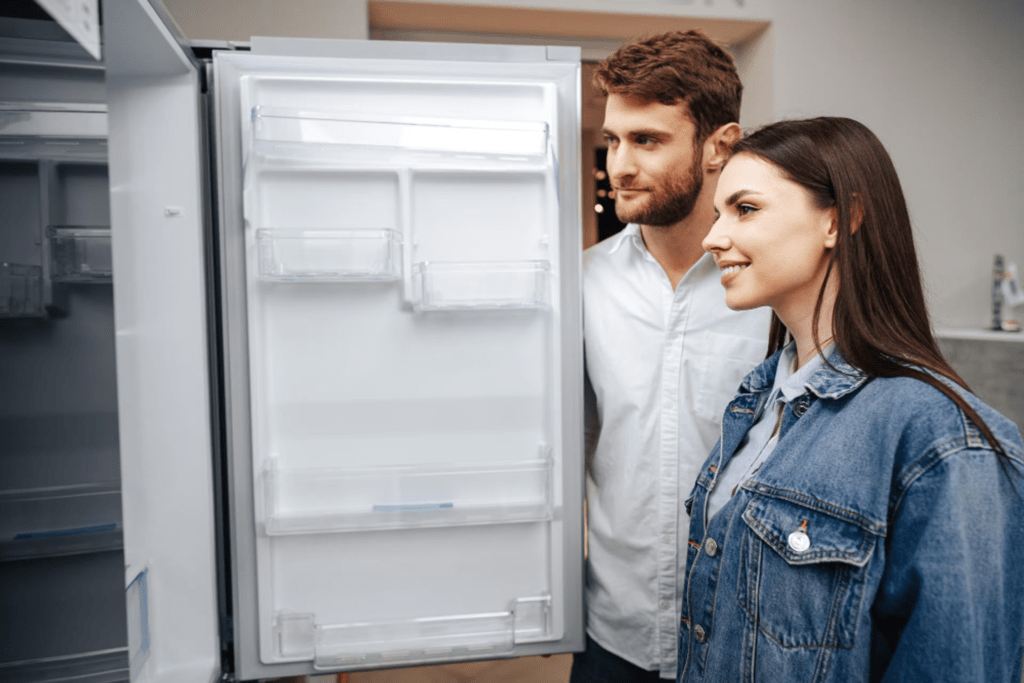
Regular maintenance helps prevent unexpected commercial refrigeration startup problems
Commercial refrigeration systems are critical assets for businesses that rely on temperature-controlled storage. When a fridge won’t start, responding quickly can help prevent food spoilage, operational disruptions and unnecessary repair costs.
By understanding the common causes, carrying out basic checks and investing in preventative maintenance, businesses can keep their refrigeration equipment running efficiently and reduce the risk of unexpected breakdowns. In high-use environments such as commercial kitchens and retail spaces, reliable servicing plays a key role in maintaining consistent performance.
If your commercial fridge still won’t start or you’re experiencing recurring refrigeration issues, our team can help diagnose the problem and restore your equipment quickly. You can call us on 1300 104 210 or visit Contact us to speak with our technicians and arrange professional assistance.
If you manage a commercial kitchen, cold room, or display fridge fleet in Melbourne, you've probably faced this call at some point: a unit…
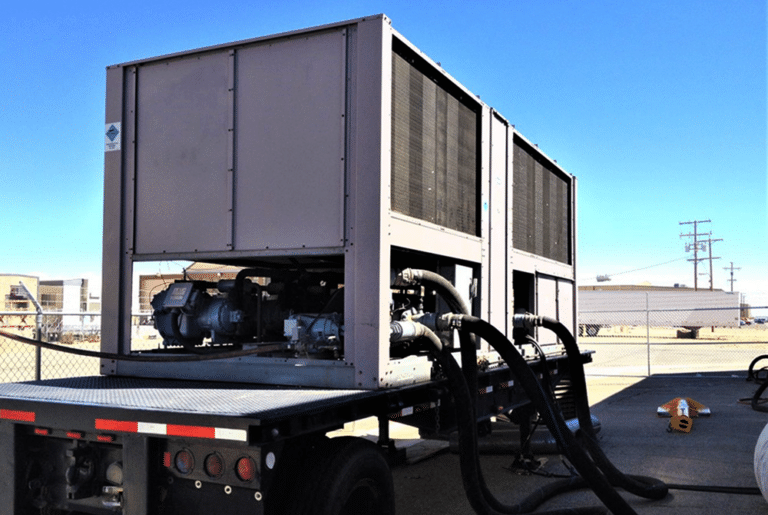
When a display fridge, cool room, or freezer goes down, the clock starts immediately. Stock begins losing temperature control from the moment the unit…
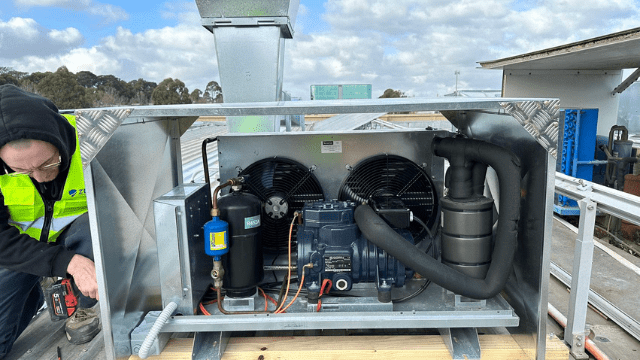
Commercial refrigeration emergencies don't strike at random. Ask any technician who's done an after-hours callout, and they'll tell you the same thing: breakdowns cluster…
Our simple & effortless process ensures you will be provided with a free quote promptly, but also ensures you will have any questions answered along the way.