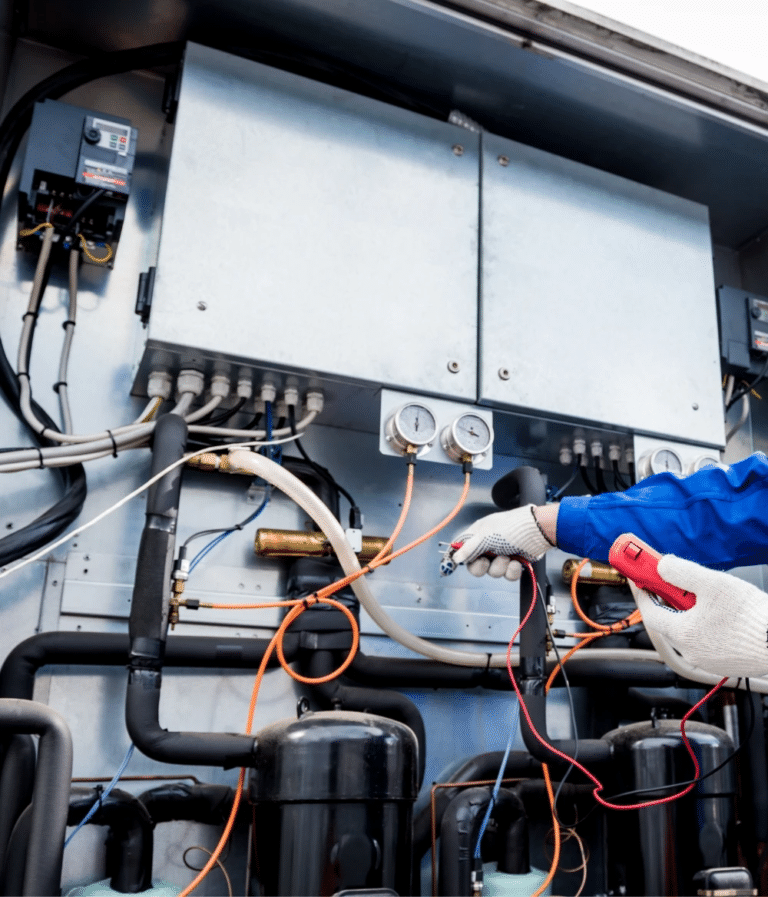
How to Know If Your Commercial Refrigeration Fault Is an Emergency or Can Wait
If you manage a commercial kitchen, cold room, or display fridge fleet in Melbourne, you've probably faced this call at some point: a unit…
A commercial fridge temperature alarm going off repeatedly is more than a minor inconvenience. It can signal issues that may affect food safety, stock quality, and daily business operations. Hospitality and retail businesses depend on refrigeration systems running reliably at all times, so repeated alarms should never be ignored. Understanding why these alerts occur and how to respond can help prevent costly spoilage and unexpected downtime.
Temperature alarms are designed to warn businesses when refrigeration systems move outside safe operating conditions. In commercial environments where food safety and product quality are critical, these alarms act as an early warning system. Ignoring them may lead to stock loss, compliance issues, and unnecessary repair costs.
A commercial fridge temperature alarm usually activates when the internal temperature rises or drops beyond the preset safe range. This may occur if the fridge cannot maintain stable cooling conditions due to airflow restrictions, mechanical faults, or external environmental factors.
In most commercial refrigeration systems, sensors continuously monitor internal temperatures. If the system detects abnormal fluctuations, such as temperatures rising above safe storage levels, it triggers an alarm to alert staff.
Repeated alarms often indicate a deeper issue rather than a temporary fluctuation. Addressing the problem early can prevent larger refrigeration failures.
Food businesses must maintain strict temperature control to comply with food safety regulations. Perishable goods such as meat, dairy products, and prepared meals must be stored within safe temperature ranges to prevent bacterial growth.
Temperature alarms help businesses quickly detect when refrigeration systems are no longer maintaining safe conditions. Responding quickly can help avoid health risks and ensure compliance with food safety standards.
For restaurants, cafés, supermarkets, and food distributors, a reliable refrigeration system is essential for maintaining product integrity and protecting customers.
Repeated alarms should never be dismissed as minor inconveniences. If a refrigeration system fails to maintain the correct temperature for extended periods, businesses may experience:
Addressing alarm issues early often prevents these larger operational and financial problems.
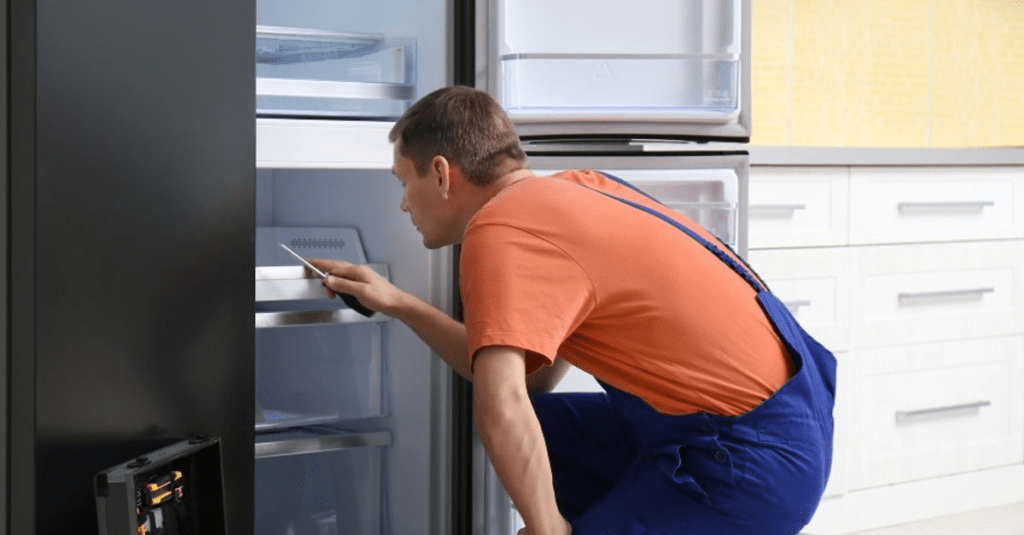
Repeated fridge alarms often signal temperature problems that can threaten food safety
Temperature alarms may activate for several reasons. While some causes are simple operational issues, others may indicate mechanical or system-related faults.
Commercial fridges rely on consistent airflow to maintain even cooling throughout the storage space. When airflow is blocked, certain areas may become warmer than others, triggering temperature alarms.
This often happens when shelves are overloaded or products are placed directly against air vents. Poor product organisation can restrict air circulation and cause uneven cooling.
Ensuring proper spacing between items allows cold air to circulate effectively.
Condenser coils release heat from the refrigeration system. When coils become covered with dust, grease, or debris, the fridge struggles to release heat efficiently.
This causes the compressor to work harder, leading to higher temperatures inside the fridge and triggering alarms. Dirty coils are one of the most common causes of refrigeration inefficiency in commercial environments.
Regular cleaning helps maintain optimal cooling performance.
Temperature sensors and thermostats control how the refrigeration system responds to internal temperature changes. If these components malfunction, the fridge may misread temperature levels.
A faulty sensor might incorrectly detect high temperatures and trigger alarms even when the fridge is operating normally. Alternatively, it may fail to activate cooling when needed.
Professional diagnostics are often required to confirm sensor or thermostat faults.
Door seals (also known as gaskets) play an important role in maintaining stable internal temperatures. When seals become cracked, worn, or loose, cold air escapes and warm air enters the fridge. This forces the refrigeration system to work harder to maintain the required cooling level. Businesses experiencing this issue may find it helpful to understand why damaged door seals are one of the most expensive commercial fridge problems.
Frequent door openings during busy service periods can also cause temporary temperature spikes.
If the seals are not replaced in time, the fridge may struggle to maintain consistent temperatures and consume more energy during operation.
More serious causes of repeated alarms may involve refrigerant levels or compressor performance.
Low refrigerant levels can reduce cooling capacity, causing the fridge to struggle to reach the required temperature. Compressor faults may also prevent the system from maintaining stable cooling.
These issues typically require professional repair to prevent further damage to the refrigeration system.
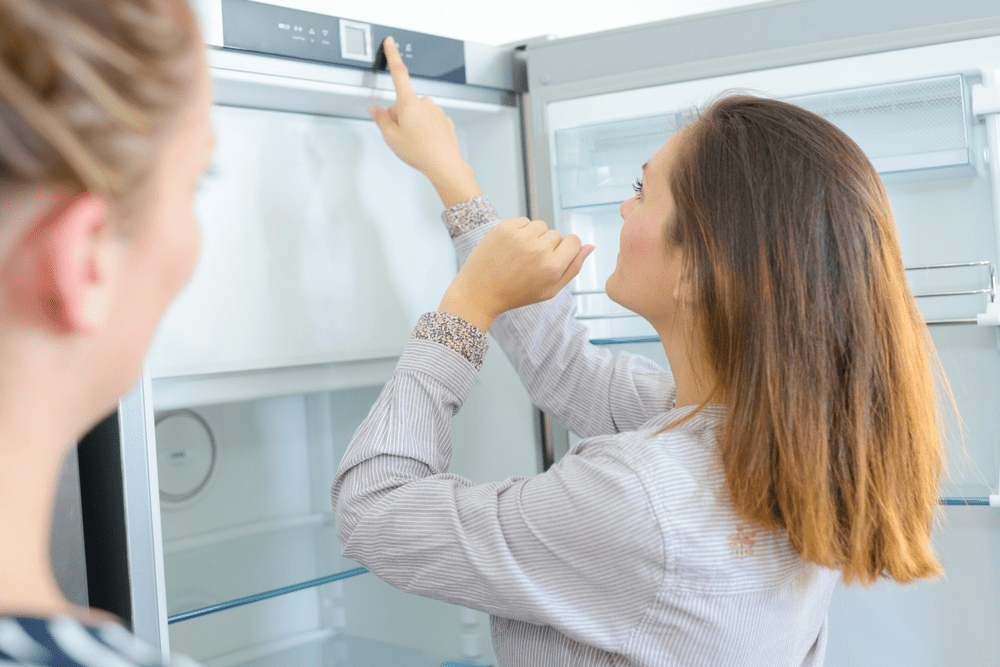
Several refrigeration issues can cause temperature alarms to activate repeatedly
Before requesting technical service, there are several simple checks staff can perform. In many cases, small operational issues can trigger temperature alarms. Identifying these early may restore normal refrigeration performance without requiring immediate repairs.
Start by checking the control panel to ensure the fridge is set to the correct storage temperature.
In busy commercial kitchens, temperature settings can sometimes be changed accidentally during cleaning or daily operations. Restoring the correct setpoint may stop the alarm if the issue is related to incorrect temperature configuration.
Take a close look at the door gaskets to see if there are visible cracks, gaps, or signs of wear. Close the door firmly and check whether the seal sits tightly against the frame.
Loose hinges or worn seals can allow warm air to enter the fridge, making it harder for the refrigeration system to maintain a stable internal temperature.
Proper airflow is essential for consistent cooling inside a commercial fridge. If products block internal air vents, cold air cannot circulate evenly throughout the cabinet.
Make sure items are arranged with enough space between them and avoid overloading shelves, as overcrowding can cause uneven temperature distribution.
Condenser coils help release heat from the refrigeration system. When dust, grease, or debris builds up on the coils, the fridge may struggle to remove heat efficiently.
Cleaning the coils can improve cooling performance and reduce the chances of temperature alarms, particularly in kitchen environments where grease particles are common.
After completing these basic checks, observe the fridge for a few hours to see if the alarm continues.
If the temperature alarm keeps triggering despite these adjustments, the issue may involve mechanical components, refrigerant levels, or electrical faults that require professional inspection.

Simple inspection steps may help identify minor issues causing fridge temperature alarms
While some alarm triggers are easy to resolve, others require expert diagnosis.
Businesses should contact refrigeration professionals if:
These signs may indicate deeper system faults.
Commercial refrigeration systems are complex and involve electrical components, refrigerants, and specialised parts.
Attempting repairs without proper training can lead to further damage, safety risks, or system failure. Incorrect handling of refrigerants may also breach environmental regulations.
Professional technicians have the tools and expertise to safely diagnose refrigeration problems.
Experienced technicians perform a comprehensive system inspection, which may include:
If your business experiences persistent alarm issues, professional support such as a commercial refrigeration repair can help identify the root cause and restore reliable operation.
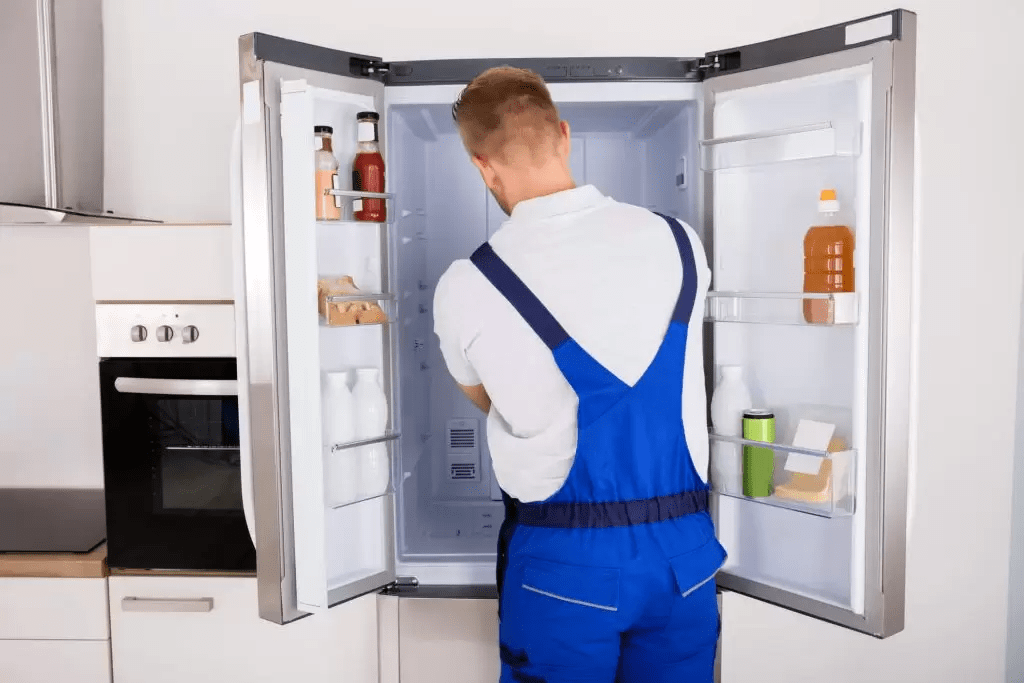
Persistent alarms may indicate deeper mechanical or electrical problems
Preventative maintenance is one of the most effective ways to minimise refrigeration problems and extend equipment lifespan.
Routine maintenance ensures refrigeration systems operate efficiently and maintain consistent temperatures.
Technicians inspect key components, clean coils, test sensors, and identify potential issues before they become major problems.
Preventative servicing can significantly reduce the risk of unexpected breakdowns.
Staff training also plays an important role in maintaining refrigeration performance.
Employees should understand how to:
Good operational practices help refrigeration systems perform consistently.
Routine inspections help identify potential refrigeration problems before they affect daily operations. During these checks, technicians can detect early signs of component wear, refrigerant loss, or electrical issues that may cause temperature instability.
For businesses that rely heavily on cold storage, such as restaurants, supermarkets, and food production facilities, scheduled servicing plays a critical role in maintaining consistent cooling performance. Many companies rely on structured Maintenance & Preventive Services to keep their commercial refrigeration systems operating efficiently and minimise the risk of unexpected breakdowns.
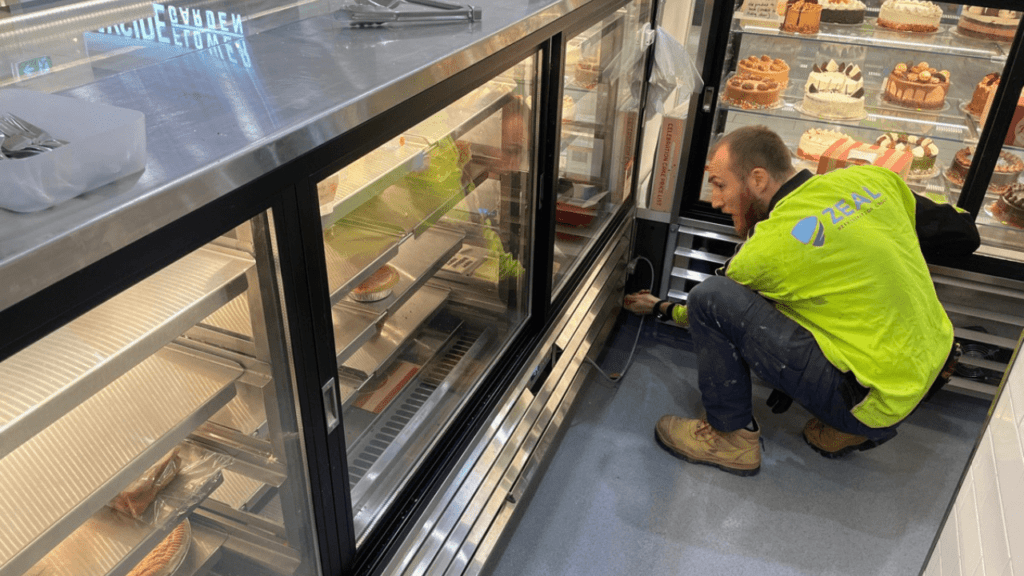
Preventative maintenance helps keep commercial refrigeration systems stable and reliable
When refrigeration issues arise, fast and reliable technical support becomes essential for protecting stock and maintaining daily operations. Our team supports businesses across Melbourne with practical refrigeration solutions backed by over 30 years of industry experience and a strong focus on reliability and compliance.
Temperature failures can quickly lead to stock spoilage if they are not addressed promptly. Our team provides 24/7 emergency refrigeration support, with rapid on-site response for urgent issues to help restore cooling conditions as quickly as possible.
Fast response helps minimise downtime and protect valuable refrigerated stock.
Commercial refrigeration equipment varies significantly in design and complexity. Our technicians are ARCtick-licensed professionals who work across a wide range of commercial refrigeration systems and major equipment brands.
This technical expertise allows our team to diagnose problems accurately and resolve issues efficiently.
Beyond immediate repairs, our team also focuses on long-term system reliability. We provide preventative maintenance, system optimisation, and tailored servicing plans designed to keep refrigeration equipment operating efficiently.
Regular servicing helps maintain stable temperatures, reduce energy costs, and extend the lifespan of commercial refrigeration systems.
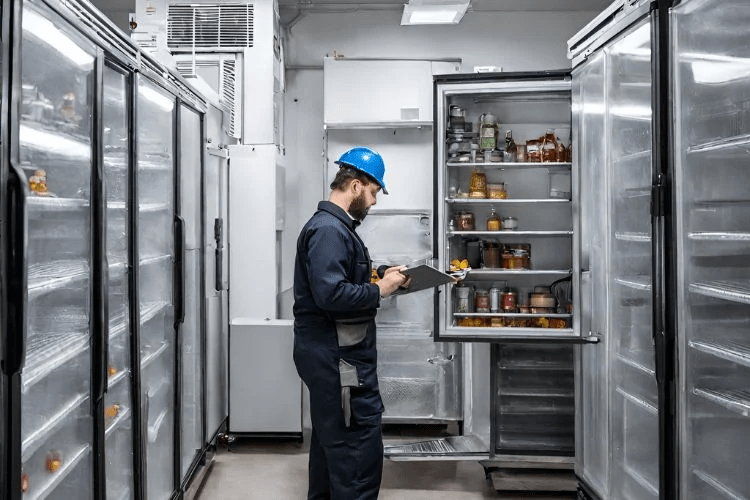
Professional refrigeration services help businesses maintain safe and efficiency
A commercial fridge temperature alarm going off repeatedly should never be ignored. While some triggers may be minor, persistent alarms often signal underlying refrigeration issues that can impact food safety and daily operations.
Addressing the issue early can help prevent stock loss and costly breakdowns. If the alarm continues to trigger, call 03 8768 0016 or visit the Contact Us page to arrange professional assistance.
If you manage a commercial kitchen, cold room, or display fridge fleet in Melbourne, you've probably faced this call at some point: a unit…
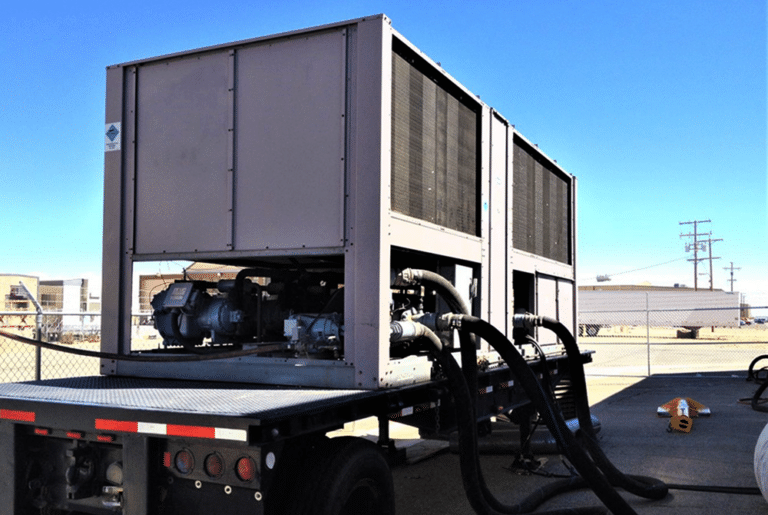
When a display fridge, cool room, or freezer goes down, the clock starts immediately. Stock begins losing temperature control from the moment the unit…
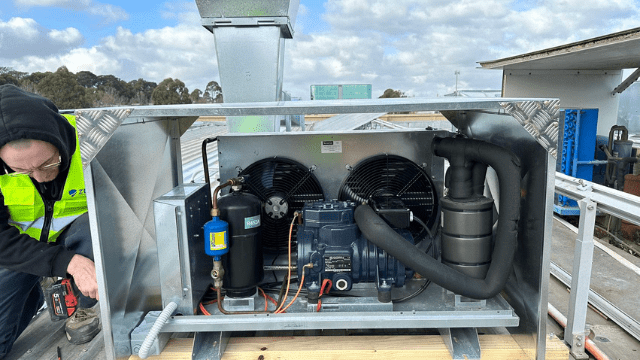
Commercial refrigeration emergencies don't strike at random. Ask any technician who's done an after-hours callout, and they'll tell you the same thing: breakdowns cluster…
Our simple & effortless process ensures you will be provided with a free quote promptly, but also ensures you will have any questions answered along the way.