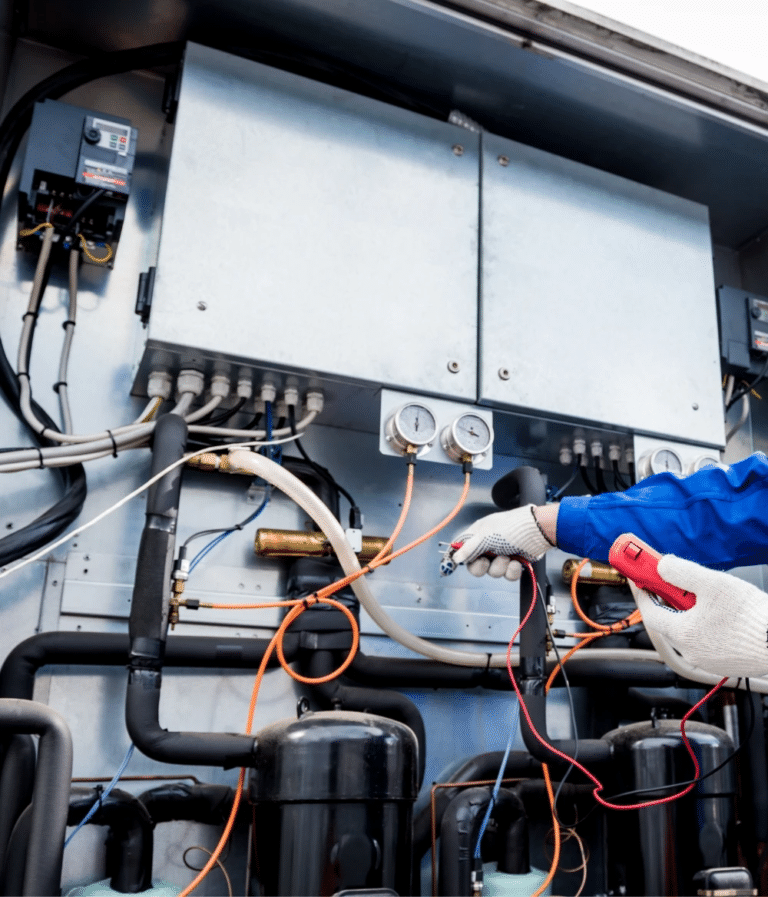
How to Know If Your Commercial Refrigeration Fault Is an Emergency or Can Wait
If you manage a commercial kitchen, cold room, or display fridge fleet in Melbourne, you've probably faced this call at some point: a unit…
Commercial freezers are designed to maintain stable freezing temperatures to protect food safety and preserve valuable stock. So when water appears on the floor near the unit, it can be concerning for any business. However, a leaking freezer does not always indicate a complete equipment failure. In many cases, this is an early warning sign that something in the system isn’t working properly, such as the drainage, airflow, or door seal.
Commercial refrigeration equipment often operates in demanding environments. Restaurants, supermarkets, cafés, and food production facilities rely heavily on their freezers, which means doors are opened frequently throughout the day. Each time the door opens, warm and humid air enters the cabinet. Over time, this moisture can lead to frost buildup, condensation, and drainage issues that may eventually cause water leaks.
Although a small puddle might seem harmless at first, it often signals an underlying maintenance problem. Addressing these issues early can help prevent larger complications such as energy inefficiency, stock damage, or costly equipment breakdowns. Understanding the common causes of freezer leaks is the first step in resolving the problem before it escalates.
Below are five hidden reasons your commercial freezer may be leaking water and what they could indicate about the condition of your equipment.
Most modern commercial freezers include an automatic defrost system designed to prevent excessive frost buildup on the evaporator coils. During the defrost cycle, the system gently warms the coils to melt accumulated ice. The melted frost then flows through a drain line and into a drain pan beneath the unit, where the water gradually evaporates.
This system works effectively but only if the drain remains clear.
If the defrost drain becomes blocked, the melted water cannot flow out of the freezer as intended. Instead, it begins to collect inside the compartment. Eventually, the accumulated water spills over and leaks onto the floor.
Blockages can occur for several reasons. Food particles, grease, packaging debris, or ice fragments can obstruct the drain opening. In some cases, ice may form inside the drain line itself, particularly if airflow or temperature balance inside the freezer is disrupted.
Signs of a blocked defrost drain often include:
Regular cleaning and routine inspection can help prevent drain blockages. If the issue persists, it may be worth arranging professional Commercial Freezer Repair & Service to inspect the drainage system and restore proper operation.
Door gaskets are essential components of any commercial freezer. These flexible rubber seals create an airtight barrier between the door and the cabinet, preventing cold air from escaping while keeping warm air out.
In busy kitchens and storage areas, freezer doors may be opened dozens or even hundreds of times each day. Over time, this constant use can wear down the door gaskets. The seals may become cracked, warped, loose, or misaligned.
When the seal is compromised, warm air begins entering the freezer whenever the door closes. The moisture contained in that air condenses rapidly in the freezing environment, forming frost and ice on internal surfaces.
Eventually, during the defrost cycle, this extra frost melts into additional water. If the drainage system cannot handle the increased amount of water, leaks may develop.
Common signs of worn or damaged door seals include:
Replacing worn door gaskets is typically a simple repair, but ignoring damaged seals can increase energy consumption and place unnecessary strain on the refrigeration system.
Humidity is another common factor that contributes to freezer leaks. Commercial kitchens often contain high levels of moisture due to cooking equipment, steam from dishwashers, and hot food preparation.
Each time the freezer door opens, humid air enters the cabinet. Once inside, the air cools rapidly, and the moisture condenses into frost on internal surfaces.
In facilities where freezers are opened frequently, such as restaurants, bakeries, and grocery stores, the amount of moisture entering the freezer can be substantial.
Over time, this accumulated moisture must be removed through the freezer’s defrost cycle. If the freezer is exposed to excessive humidity, the defrost cycle may produce more water than the drainage system can handle. As a result, water may begin leaking from the unit.
This kind of moisture buildup is not limited to standard commercial freezers. Larger refrigerated storage areas can experience similar airflow and condensation issues, particularly in busy food service environments. In these cases, professional cool room repair services may be needed to help maintain stable temperatures and reduce ongoing moisture-related problems.
This issue is particularly common in environments such as:
Managing humidity levels can help reduce the risk of freezer leaks. Strategies may include improving kitchen ventilation, limiting unnecessary door openings, and ensuring the freezer is properly maintained.
The defrost system prevents excessive frost accumulation inside the freezer. It works by periodically melting ice from the evaporator coils before the frost becomes too thick.
Several components control this process, including the defrost heater, defrost timer or control board, and temperature sensors.
If any of these components fail, the freezer may stop defrosting properly. As a result, thick layers of ice begin forming on the evaporator coils and internal surfaces.
Over time, large sections of ice may accumulate behind panels, along freezer walls, or around internal components. When this ice eventually melts either during an irregular defrost cycle or when warm air enters the unit, it can release a large amount of water at once.
This sudden volume of water can overwhelm the drain system and cause water to leak onto the floor.
Indicators of defrost system problems may include:
Because the defrost system involves electrical and mechanical components, diagnosing these problems typically requires a qualified refrigeration technician.
The final stage of the freezer’s drainage process occurs in the drain pan located beneath the unit. Water from the defrost cycle flows through the drain line into this pan, where it slowly evaporates.
If the drain pan becomes damaged, cracked, or misaligned, it may fail to collect water properly. Similarly, the drain line leading to the pan may become partially blocked or disconnected.
When this occurs, water may spill out before it reaches the drain pan, resulting in puddles forming around the freezer.
In some situations, the pan itself may overflow. This can happen if the freezer produces more water than expected due to heavy frost buildup or excessive moisture inside the cabinet.
Because the drain pan is usually hidden beneath the freezer, these issues may go unnoticed until water begins appearing on the floor.
Routine maintenance inspections can help ensure that drain pans and drainage lines remain clear and correctly positioned.
At first glance, a small puddle of water may not seem urgent. However, ignoring a freezer leak can lead to wider operational, safety, and cost issues for a business.
Before arranging a repair, there are a few simple checks staff can carry out to rule out obvious issues.
While these checks can help identify simple issues, persistent leaks usually indicate a deeper problem within the refrigeration system.
If the leak continues despite basic maintenance, it is often best to arrange professional servicing. Persistent water leaks may indicate problems with the defrost system, evaporator components, or internal airflow.
Warning signs that require professional inspection include recurring water leaks, rapid ice buildup after cleaning, difficulty maintaining correct temperatures, unusual noises from internal components, or water leaking from behind panels.
In these cases, trained refrigeration technicians can diagnose the root cause and restore the system to proper working order. Businesses experiencing ongoing issues may benefit from professional Commercial Freezer Repair & Service to ensure their refrigeration equipment operates efficiently and reliably.
Professional servicing not only resolves current issues but also helps prevent further damage to critical components within the refrigeration system.
A leaking commercial freezer is rarely something to put off. Even a small puddle can be a sign of a larger issue developing inside the unit, from blocked drains and worn seals to airflow or defrost system faults. Left unresolved, these problems can lead to higher running costs, stock damage, safety risks, and more serious equipment failure.
Acting early is the best way to avoid unnecessary disruption and protect the performance of your refrigeration equipment. With the right repair and maintenance support, businesses can reduce downtime, improve efficiency, and prevent small freezer issues from turning into costly breakdowns.
If your commercial freezer is leaking water, now is the time to get it checked. Zeal Group provides fast, professional support for commercial refrigeration problems, helping businesses diagnose the cause and get their equipment back to reliable working condition. Call our hotline 1300 104 210 or submit an online enquiry form to book a service and prevent the problem from getting worse.
If you manage a commercial kitchen, cold room, or display fridge fleet in Melbourne, you've probably faced this call at some point: a unit…
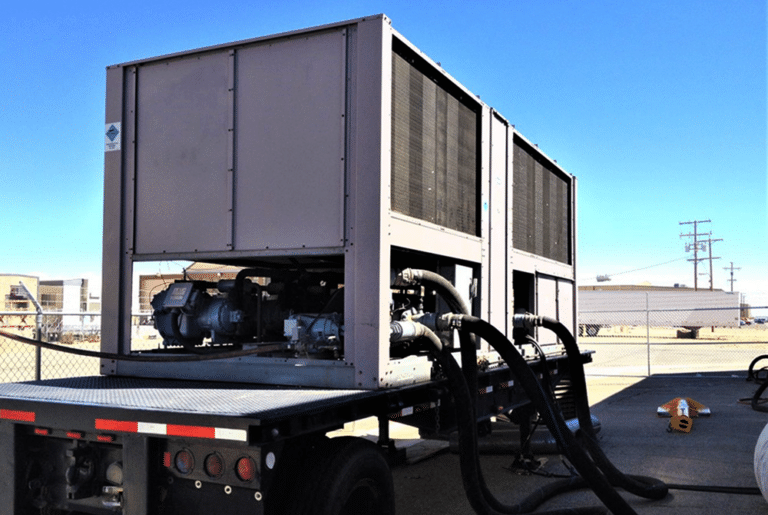
When a display fridge, cool room, or freezer goes down, the clock starts immediately. Stock begins losing temperature control from the moment the unit…
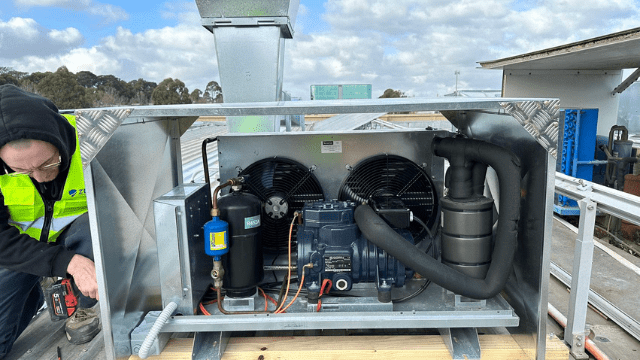
Commercial refrigeration emergencies don't strike at random. Ask any technician who's done an after-hours callout, and they'll tell you the same thing: breakdowns cluster…
Our simple & effortless process ensures you will be provided with a free quote promptly, but also ensures you will have any questions answered along the way.