Emergencies
How to Know If Your Commercial Refrigeration Fault Is an Emergency or Can Wait
If you manage a commercial kitchen, cold room, or display fridge fleet in Melbourne, you’ve probably faced this call at some point: a unit…
When ice starts forming inside a cool room, the defrost system is usually first in line for the blame. It is a fair assumption, since defrosting is the one part of the system meant to keep ice at bay. In practice, though, ice build-up in a cool room has a much wider range of causes, and reaching for the defrost timer before checking anything else often leaves the real problem exactly where it is. Understanding what actually drives icing, and how a technician works out which cause is in play, is the difference between a lasting fix and a fault that keeps returning.
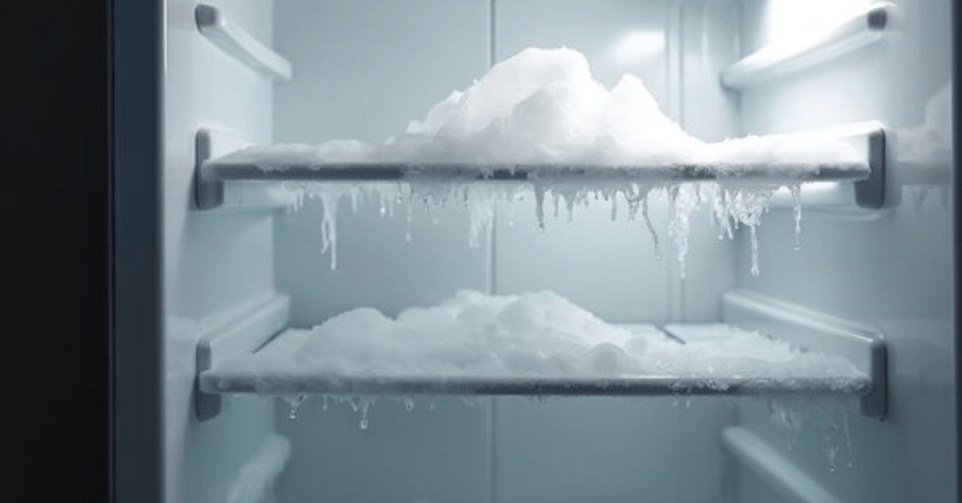
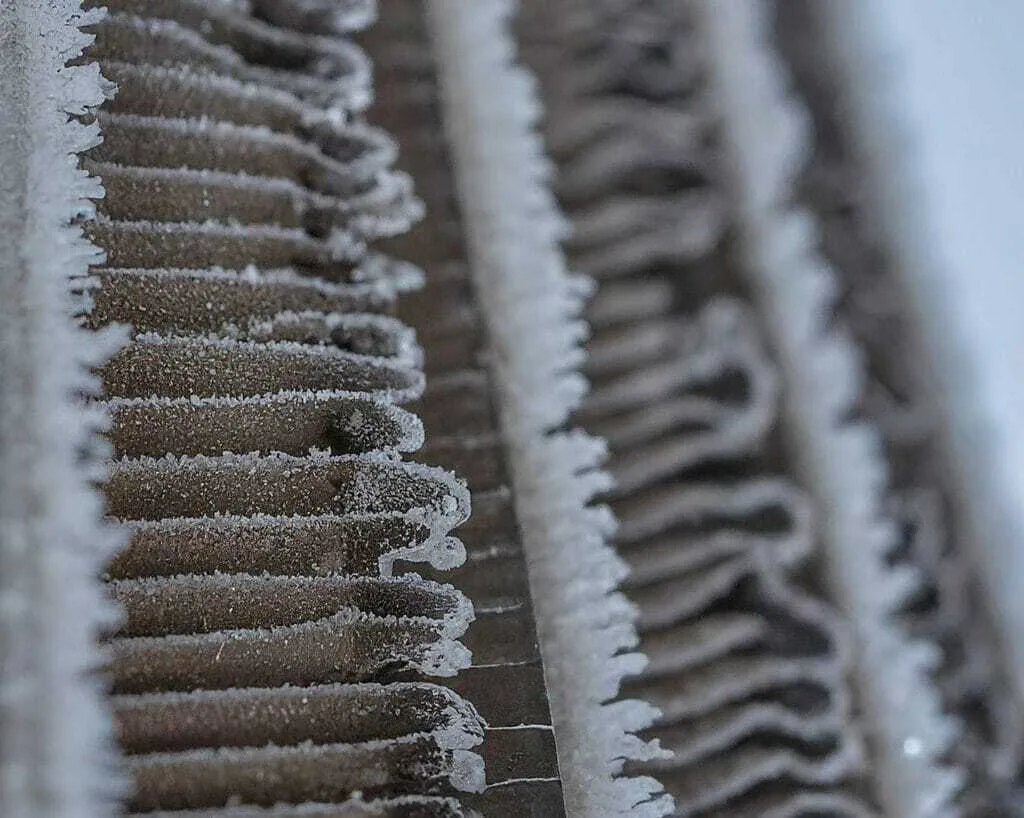
At its simplest, ice is moisture meeting a cold surface. Air always carries some water vapour, and when that air touches panelling or metal sitting below freezing, the moisture condenses and freezes on contact. A healthy cool room manages this through its normal defrost cycle, so a little frost that clears on schedule is nothing to worry about. Trouble starts when more moisture enters the room than the system was built to shed, and the balance tips towards steady accumulation.
The defrost system takes the blame so readily because it is the most visible line of defence. When ice appears, the logic runs that the thing meant to remove it must have failed. Sometimes that is true, but more often the defrost cycle is working perfectly well against a moisture load it was never designed to handle. Treating a healthy defrost system as the culprit sends the repair down the wrong path from the start, which is why a proper diagnosis matters more than a quick assumption.
Most persistent icing traces back to one of a handful of causes, and each leaves its own signature inside the room.
A door seal keeps the outside world out, and once it starts to perish, warm humid air slips in around the frame even when the door is shut. That quiet, constant exchange feeds the room a steady supply of moisture, which then freezes on the coldest surfaces it can find. Frost concentrated around the door edge, or a gasket that looks cracked, compressed or pulled away from the frame, is a strong sign the seal is no longer doing its job.
Everything stored in a cool room brings a little moisture with it, and fresh produce in particular gives off water as it sits. When a room is heavily loaded, or warm stock goes in before it has cooled, the extra moisture and heat add to what the system has to remove. Over time that surplus shows up as frost, especially on the evaporator and nearby surfaces.
During each defrost cycle, melted frost needs a clear path to drain away. If the drain line is blocked, poorly positioned or has partly frozen itself, that water has nowhere to go and simply refreezes on the next cycle. The tell-tale sign is ice pooling low down, across the floor or beneath shelving, rather than up around the coils.
How a room is used matters as much as its hardware. Every door opening lets in a rush of warm, moist air, and a door propped open during a busy delivery can introduce enough moisture to keep the system fighting for hours. Strip curtains soften that exchange, so when they are missing, torn or tied back for convenience, the room loses much of its defence against infiltration. Small changes to daily routine often make a real difference, and it is worth reviewing how everyday staff habits shape cool room performance alongside any technical fix.
None of this rules the defrost system out entirely. There are genuine cases where it is the source, and they have their own pattern. A thick, solid sheet of ice on the back panel or evaporator, paired with cooling that weakens between cycles, points towards a defrost fault rather than moisture ingress. This can stem from a failed defrost heater, a faulty timer or thermostat, or a sensor feeding the controller the wrong information. Because these symptoms look different from the causes above, a defrost fault should be confirmed through inspection rather than assumed from the outset.
A qualified technician treats icing as a diagnostic puzzle rather than a single known fault, and the location of the ice is one of the first clues. Frost heaviest around the door edge suggests a seal or infiltration problem; a solid sheet on the back panel points to the defrost system; a slab across the floor or under shelving indicates drainage.
From there the checks follow a logical sequence: inspecting the door seals and their fit, assessing airflow and loading, examining the drain line for blockages, and testing the defrost components and controls. This root-cause approach sits at the heart of professional cool room service and repair, where the aim is to confirm the underlying cause before any part is replaced.
When ice appears, the quickest response is to clear it and carry on. The room looks right again for a few days, but nothing has changed about what caused the build-up.
Scraping out ice deals with what you can see, not with what put it there. A perished seal keeps drawing in moist air, a blocked drain keeps refreezing on every cycle, and within days the ice returns much as it was. While it does, the untreated fault keeps adding to your power bill, holds stock at less dependable temperatures, and can eventually grow thick enough to block airflow and tip the room into a breakdown. At that stage, emergency refrigeration repairs will restore safe temperatures quickly, though catching the cause earlier saves both the stock and the callout.
A repair matched to the actual cause settles the problem for good, whether that means a fresh seal, a cleared drain line or a proper defrost fix. Keeping it away is where routine servicing earns its place, checking seals, drainage and airflow on a schedule so faults are picked up while they are still minor. A preventive maintenance programme is the most dependable safeguard against recurring icing, and it usually costs less than the downtime and wasted energy it prevents.
If your cool room keeps icing over however often you clear it, the answer lies in finding out why. The team at Zeal Refrigeration Group can pinpoint the true cause and fix it the first time, so you are not left repeating the same short-term patch. Our ARCtick-licensed technicians work across Melbourne’s commercial refrigeration every day, so get in touch and we will help keep your cool room clear, efficient and holding temperature.
Emergencies
If you manage a commercial kitchen, cold room, or display fridge fleet in Melbourne, you’ve probably faced this call at some point: a unit…
Emergencies
When a display fridge, cool room, or freezer goes down, the clock starts immediately. Stock begins losing temperature control from the moment the unit…
Emergencies
Commercial refrigeration emergencies don’t strike at random. Ask any technician who’s done an after-hours callout, and they’ll tell you the same thing: breakdowns cluster…
Our simple & effortless process ensures you will be provided with a free quote promptly, but also ensures you will have any questions answered along the way.