Cool Rooms
How Long Does a Cool Room Repair Take?
There is a common reason operators put off ringing a technician when their cool room starts playing up: the fear that a repair means…
A cool room is only ever half the picture. The system does exactly what it was built to do, yet how your team uses it across a shift decides how hard it has to work to get there. Two identical rooms in two identical venues can post very different energy bills and service histories, and the difference usually comes down to habits on the floor rather than anything mechanical. This guide walks through the everyday behaviours that shape cool room performance, and how to turn them into a simple staff briefing your whole team can follow.
Small actions repeat hundreds of times a week, and that repetition is where the cost sits. A door held open a little longer than needed, a shelf packed a little too tightly, a warm tray slid in to deal with later: none of these feels significant in the moment, but together they force the system to run longer and recover more often than it should.
The result shows up in three places:
Overloading alone can lift a cool room’s energy use noticeably, and the extra strain quietly brings forward the day a component gives out. The encouraging part is that every one of these habits is well within your team’s control, which makes staff behaviour one of the most cost-effective levers you have.
Four habits do most of the damage: fix those first.
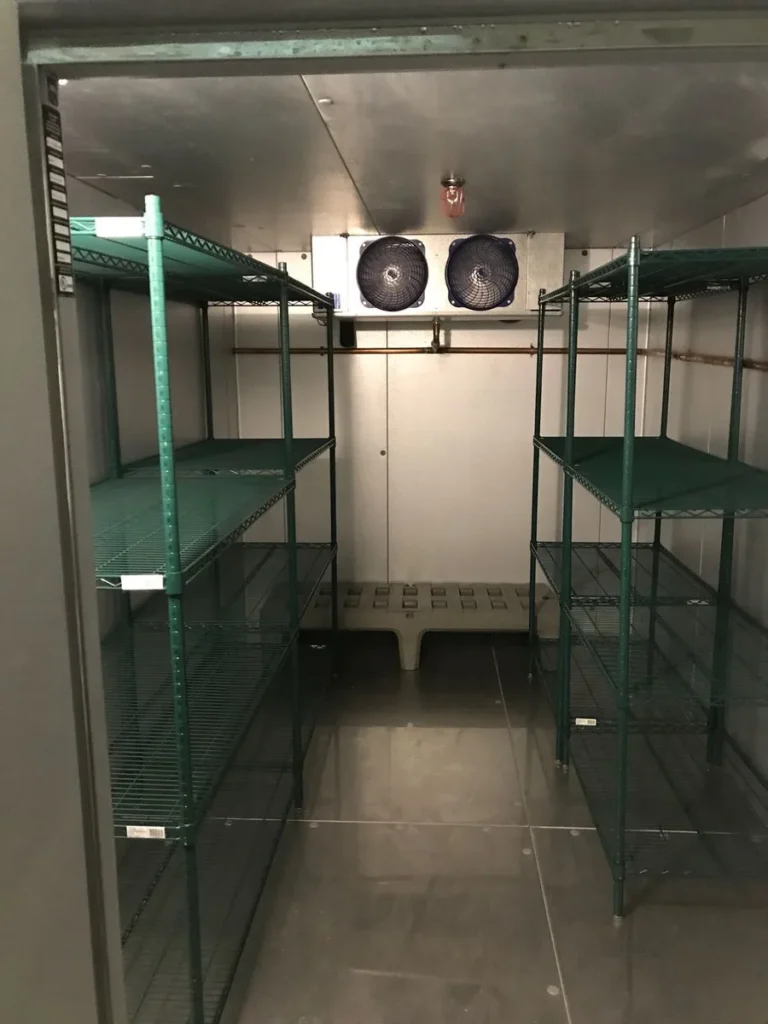
Every time the door opens, warm and humid air rolls in and the system has to work to bring things back to temperature. In a busy kitchen or bottle shop, that can happen dozens of times an hour, so the length of each opening matters more than the number of openings. Encourage staff to plan what they need before they open the door, move stock in and out efficiently, and make sure the door is properly closed rather than left resting ajar. Where strip curtains are fitted, they should stay in place and intact, not tied back or pushed aside for convenience, since they cut air infiltration considerably when used as intended.
Cold air needs a clear path to circulate, and a room packed to the ceiling stops that from happening. When airflow is choked, some shelves sit warmer than others and the system runs longer trying to even things out. A few simple rules help the team load well:
Sliding warm or hot product straight into the cool room adds a heat load the system then has to remove, which drags temperature up for everything already stored inside. Wherever the workflow allows, let cooked or newly delivered warm items come down in a staging area or blast chiller first. It protects the temperature of surrounding stock and spares the system a workload it was never meant to carry on top of normal running.
Your floor staff are the first to notice when something is not quite right, and that makes them a genuine asset for catching problems early. Light icing where it does not usually form, temperatures drifting from the norm, water pooling on the floor, or a new rattle or hum are all worth flagging. The message to the team is simple: report it promptly rather than working around it, and never attempt a fix themselves. Early reporting lets a technician step in before a small issue becomes an emergency, which is exactly what a good Maintenance & Preventive Services programme is designed to support.
Knowing the right habits is one thing; getting them to stick across a busy team is another. A short, well-pitched briefing is usually all it takes, provided it lands the right way.
The goal is a shared standard, not a list of things people are doing wrong. Frame the briefing around how the team can help the room run at its best, and keep it grounded in the tasks they actually do each day. A single printed checklist near the cool room door, covering quick loading, clear airflow and proper closing, does more than a long meeting ever will. When staff feel trusted to be part of the solution, the habits tend to hold.
People follow a rule far more consistently when they understand the reason behind it. Explaining that a propped door means a longer recovery cycle, or that an overpacked shelf creates warm spots that put stock at risk, turns an instruction into something that makes sense. That understanding is what carries good practice through the pressure of a busy service, when shortcuts are most tempting.
A one-page briefing your team can keep by the door:
Doors
Loading
Hot product
Report, don’t fix
Even a well-drilled team can only get so far if the equipment they rely on needs attention. Staff behaviour keeps a healthy room running efficiently; it cannot compensate for a system that is overdue for service or no longer suited to the job.
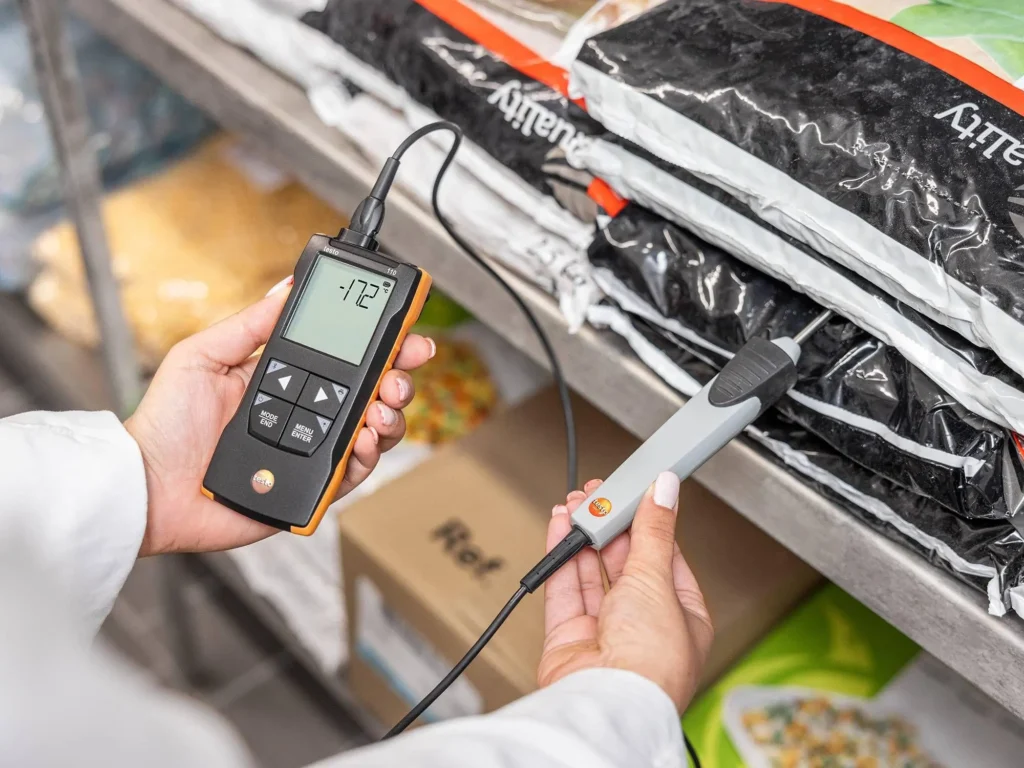
Regular servicing keeps coils clean, airflow optimised and door seals performing, so the gains your team make on the floor are not quietly undone by a component drifting out of spec. Scheduled Cool Room Service & Repair catches wear before it turns into downtime and keeps the whole system operating the way it was designed to.
Sometimes the issue is capacity rather than behaviour. If a room is constantly overloaded despite the team doing everything right, or a growing business has simply outgrown its cold storage, no amount of good practice will close that gap. That is the point to look at a properly specified Cool Room Installation sized for your real workload, so the equipment and your team are pulling in the same direction.
The habits cost nothing to change; the servicing catches what habits alone can’t. If you would like help reviewing how your room is performing, or want expert servicing to back up the good work your team is already doing, get in touch with Zeal Group. Our ARCtick-licensed technicians know Melbourne’s commercial refrigeration inside out and are ready to keep your cool room at its best.
Cool Rooms
There is a common reason operators put off ringing a technician when their cool room starts playing up: the fear that a repair means…
Emergencies
If you manage a commercial kitchen, cold room, or display fridge fleet in Melbourne, you’ve probably faced this call at some point: a unit…
Emergencies
When a display fridge, cool room, or freezer goes down, the clock starts immediately. Stock begins losing temperature control from the moment the unit…
Our simple & effortless process ensures you will be provided with a free quote promptly, but also ensures you will have any questions answered along the way.