How to Know If Your Commercial Refrigeration Fault Is an Emergency or Can Wait
If you manage a commercial kitchen, cold room, or display fridge fleet in Melbourne, you've probably faced this call at some point: a unit…
A commercial fridge rarely breaks down at a convenient time. More often, the problem shows up in the middle of service, during a busy trading period, or just before a delivery of fresh stock arrives. The unit may seem slightly warmer than usual, start making unusual noises, or struggle to hold a consistent temperature. At first, it can be tempting to treat these as minor issues, but in commercial refrigeration, small warning signs often point to larger faults developing behind the scenes.
That’s why proper diagnosis matters. A cooling problem is not always caused by the same fault, and replacing parts without understanding the real issue can waste both time and money. In this article, we’ll look at how commercial fridge faults are properly diagnosed, what common warning signs technicians look for, and why a structured approach to commercial refrigeration troubleshooting is essential for Australian businesses.
Most refrigeration faults first appear as noticeable symptoms. Staff may notice inconsistent temperatures, condensation inside the unit, or unusual sounds coming from the system. While these signs may seem simple at first, they often point to more complex issues within the refrigeration setup.
Some of the most common commercial fridge problems include:
These examples show why accurate diagnosis matters. The symptom a business notices first is rarely the full story. Proper commercial refrigeration diagnostics help identify the underlying fault so the right repair can be carried out the first time.
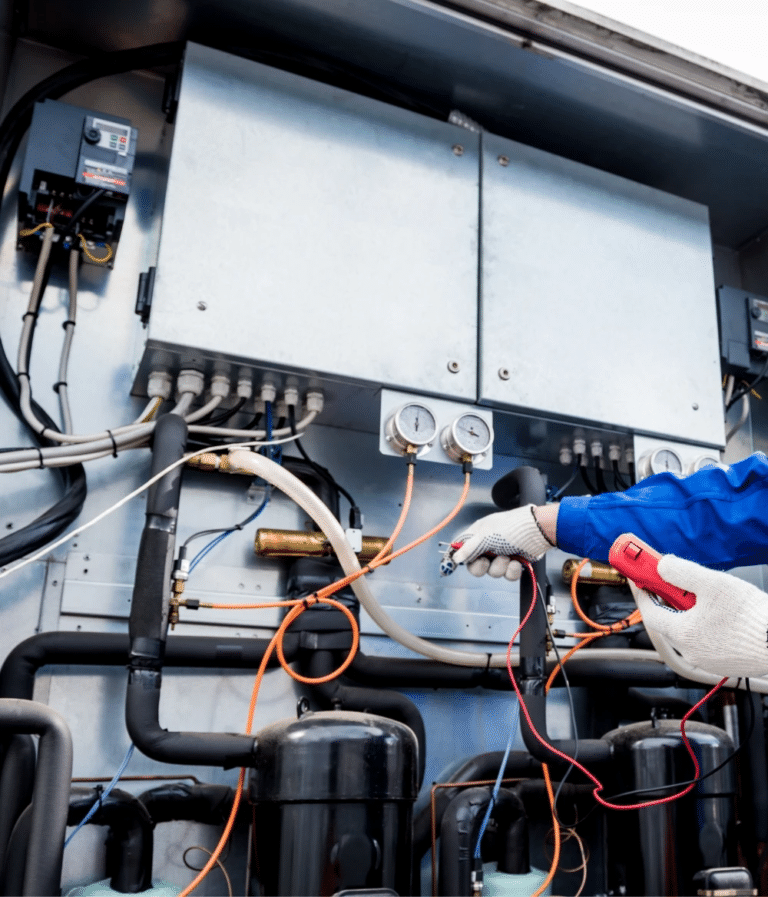
Expert commercial refrigeration technicians follow a structured process when diagnosing refrigeration problems. Rather than replacing parts immediately, they assess the system methodically to identify the root cause of the issue.
This process often includes:
This step-by-step approach allows technicians to carry out accurate commercial refrigeration diagnostics and ensure repairs address the real fault rather than just the visible symptom.
Accurate diagnosis is especially important for businesses that rely on both refrigeration and freezing equipment. When cooling systems begin to struggle, professional servicing may involve inspecting both fridge and freezer components to identify the underlying issue. In many cases, arranging expert commercial freezer repair can help restore stable temperatures and prevent further disruption to food storage operations.
When a commercial fridge begins showing signs of trouble, it can be helpful to carry out a few basic checks before arranging a repair. Some issues are minor and can be resolved quickly, while others require professional commercial refrigeration diagnostics to prevent further damage.
If a commercial fridge is not cooling properly, the first step is to confirm that the thermostat settings have not been changed accidentally. Temperature controls can sometimes be adjusted during cleaning or restocking.
If the settings appear correct but the internal temperature remains inconsistent, the issue may be related to airflow, refrigerant levels, or mechanical components.
Damaged door seals can allow warm air to enter the refrigeration unit, forcing the system to work harder to maintain temperature. This can lead to higher energy use and reduced cooling performance.
You can also check whether vents inside the fridge are blocked by products or packaging. Restricted airflow is a common reason why commercial fridges struggle to maintain temperature.
Dust or grease buildup on condenser coils is one of the most common causes of refrigeration inefficiency. When coils cannot release heat properly, the system may run continuously without reaching the desired temperature.
Cleaning accessible coils carefully can sometimes improve cooling performance.
Water pooling around the fridge or excessive ice inside the unit may indicate a blocked drain line or defrost issue. While minor blockages may be cleared, persistent leaks usually require professional attention.
While basic checks can help identify simple issues, more complex faults are usually best left to qualified technicians. Trying to fix electrical components, refrigerant issues or recurring performance problems without the right tools can lead to bigger repair costs later on, which is why it helps to understand the DIY refrigeration mistakes that often cost businesses more in the long run.
Some problems should always be handled by trained technicians. Attempting to repair them without the proper equipment can cause further damage or safety risks.
You should arrange a professional commercial fridge repair service if you notice:
While refrigeration systems are designed to operate reliably for many years, preventative maintenance plays a significant role in extending their lifespan. Many of the most common commercial fridge faults develop gradually due to wear, poor airflow or lack of regular servicing.
Keeping condenser coils clean is one of the simplest ways to maintain refrigeration efficiency. Dust and grease accumulation can prevent the system from releasing heat properly, forcing the compressor to work harder than necessary. Regular cleaning helps ensure the system can operate efficiently.
Monitoring internal temperatures is another helpful practice. By regularly checking fridge temperatures, businesses can identify unusual fluctuations early. Sudden changes may indicate a developing mechanical or electrical issue.
Door seals should also be inspected periodically. When seals become worn or damaged, warm air can enter the refrigeration compartment. This forces the system to run longer cycles and may eventually lead to cooling problems.
Most importantly, scheduling routine servicing with a professional technician can significantly reduce the risk of breakdowns. Preventative maintenance allows technicians to inspect key components, identify early signs of wear and carry out necessary adjustments before problems worsen.
If your commercial fridge is showing signs of trouble, prompt diagnosis is essential. Addressing the problem early can help prevent expensive repairs and reduce the risk of operational disruption.
Professional technicians have the experience and tools needed to perform accurate commercial refrigeration troubleshooting, identify faults and restore your refrigeration system to optimal performance.
If you need assistance diagnosing a refrigeration issue, the team at Zeal Group can help. Our experienced technicians provide reliable commercial fridge repair and service for a wide range of businesses.
You can speak with the team directly by calling 1300 104 210, or submit a request through the online contact form.
Early diagnosis and professional servicing can make a significant difference in keeping your commercial refrigeration systems running smoothly.
If you manage a commercial kitchen, cold room, or display fridge fleet in Melbourne, you've probably faced this call at some point: a unit…
When a display fridge, cool room, or freezer goes down, the clock starts immediately. Stock begins losing temperature control from the moment the unit…
Commercial refrigeration emergencies don't strike at random. Ask any technician who's done an after-hours callout, and they'll tell you the same thing: breakdowns cluster…
Our simple & effortless process ensures you will be provided with a free quote promptly, but also ensures you will have any questions answered along the way.