How to Know If Your Commercial Refrigeration Fault Is an Emergency or Can Wait
If you manage a commercial kitchen, cold room, or display fridge fleet in Melbourne, you've probably faced this call at some point: a unit…
A noisy commercial fridge fan or an unusually hot condenser is often an early warning sign that something isn’t working properly. While commercial refrigeration systems run continuously and produce some sound and heat, sudden changes shouldn’t be ignored. For restaurants, cafés, supermarkets, and commercial kitchens, these issues can quickly lead to energy waste, equipment failure, or food spoilage. This guide explains the common causes, warning signs, and when professional servicing may be required to keep commercial refrigeration systems running reliably.
Commercial refrigeration systems operate around the clock, so a certain level of sound is expected. Knowing the difference between normal operational sounds and unusual noises helps business owners detect problems early.
Typical sounds include a low humming noise from the compressor, the gentle airflow of internal fans, or occasional clicking when the compressor cycles on and off. These sounds are usually consistent and not disruptive.
Abnormal sounds, however, often appear suddenly or become louder over time. Grinding, rattling, screeching, or buzzing noises are common indicators that a mechanical component may be struggling. In many cases, these noises originate from the evaporator fan or condenser fan, which are essential for maintaining proper airflow and cooling performance.
When unusual noises appear, it is often a sign that the refrigeration system is under stress or that components are beginning to wear out.

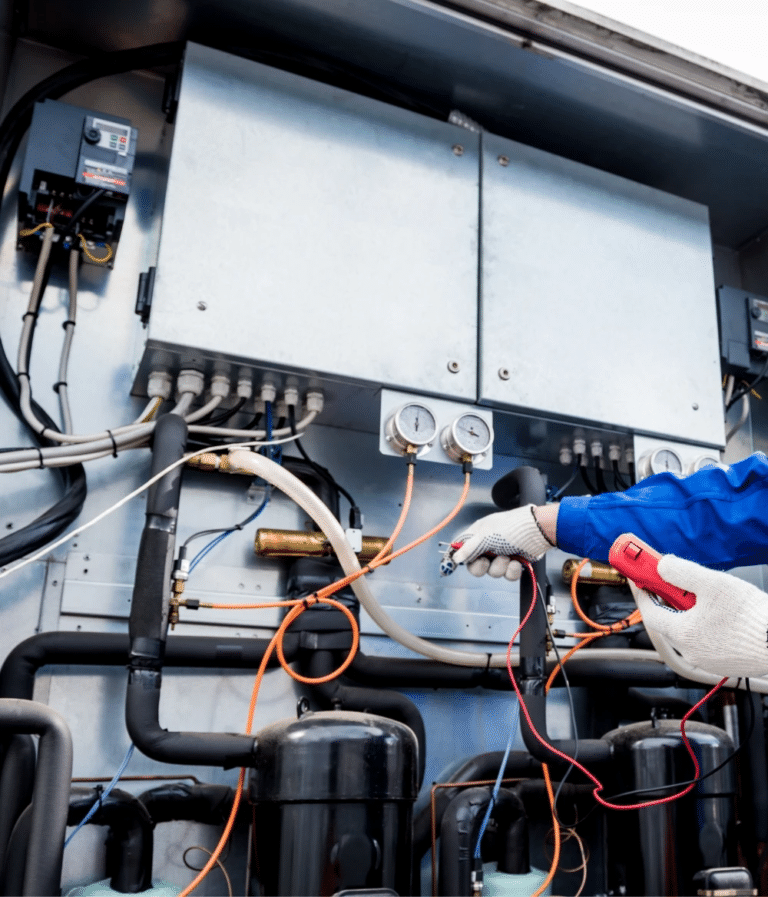
Recognising normal and unusual sounds from commercial refrigeration systems
A noisy commercial fridge fan is one of the most common early warning signs of a refrigeration issue. The fan’s role is to circulate air through the cooling system and distribute cold air evenly inside the cabinet.
One of the most common causes is dust and debris buildup on the fan blades. Over time, grease, dust, and food particles can accumulate, especially in busy kitchen environments. This buildup creates imbalance and vibration, leading to noticeable noise.
Another possible cause is worn fan bearings or a failing motor. Like any mechanical component, fan motors degrade with time. When bearings wear out, the fan may produce grinding or squealing sounds.
Loose components are another possibility. If screws or mounting brackets loosen due to constant vibration, the fan assembly may rattle during operation.
Airflow obstruction can also contribute to excessive noise. Blocked air vents, overfilled cabinets, or ice buildup around the evaporator can force the fan to work harder, increasing both noise and energy consumption.
If these issues are left unresolved, the fan may eventually fail, causing uneven cooling or rising internal temperatures.

Common reasons why a commercial fridge fan starts making loud noises
The condenser plays a critical role in the commercial refrigeration cycle by releasing heat removed from inside the fridge. Because of this, it is normal for the condenser to feel warm. However, when it becomes extremely hot to the touch, it may signal that the system is struggling to dissipate heat effectively.
A frequent cause is dirty condenser coils. Dust, grease, and airborne debris can accumulate on the coils, especially in commercial kitchens. When this layer builds up, it acts like insulation and prevents heat from escaping properly.
Poor ventilation around the fridge can also cause overheating. If the unit is installed too close to walls or surrounded by equipment, hot air cannot circulate away from the condenser.
Another possibility is an overworked compressor. When the compressor runs continuously due to cooling inefficiencies, it generates more heat and places additional strain on the condenser.
In some cases, refrigerant issues or system blockages can also cause abnormal heat buildup. These problems typically require professional inspection and repair.

Causes of overheating condensers in commercial refrigeration systems
Many business owners assume that loud refrigeration equipment is simply part of normal operation. While commercial systems are more powerful than domestic fridges, excessive noise should not be ignored.
One common misconception is that a loud fan means the fridge is working harder and therefore cooling better. In reality, excessive noise often indicates wear or mechanical problems.
Another misunderstanding is that if the fridge is still cooling, there is no issue. Unfortunately, refrigeration systems can continue operating even when internal components are failing. By the time cooling performance declines, the damage may already be significant.
Some people also believe that a hot condenser is a sign the fridge is functioning normally. While moderate warmth is expected, extreme heat can indicate restricted airflow or dirty coils.
Recognising these misconceptions helps business owners take preventive action before problems escalate.
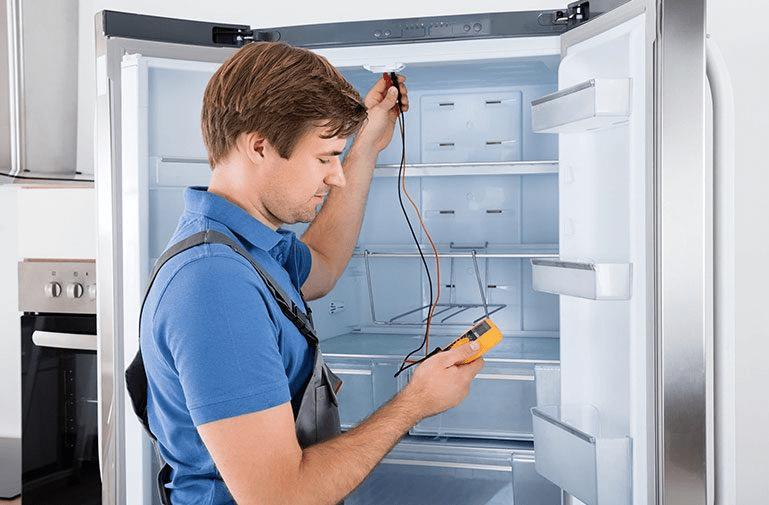
Misunderstandings about noisy commercial refrigeration equipment and cooling performance
Certain signs indicate that a commercial refrigeration system may require immediate professional attention.
One of the most noticeable symptoms is a persistent loud noise that continues even after basic cleaning or minor adjustments. Rattling, grinding, or buzzing sounds often suggest worn components such as the fan motor or internal hardware.
Temperature instability is another serious warning sign. If the fridge struggles to maintain safe storage temperatures, the cooling system may be under stress or experiencing airflow problems.
A compressor that runs constantly without cycling off can also signal trouble. When this happens, the unit may be working harder than necessary to maintain cooling, which increases both wear and energy consumption.
Other warning signs include unexpected increases in electricity bills, frost buildup inside the cabinet, or warm air circulating through the fridge. Identifying these issues early can help prevent costly breakdowns and the need for emergency refrigeration repairs.
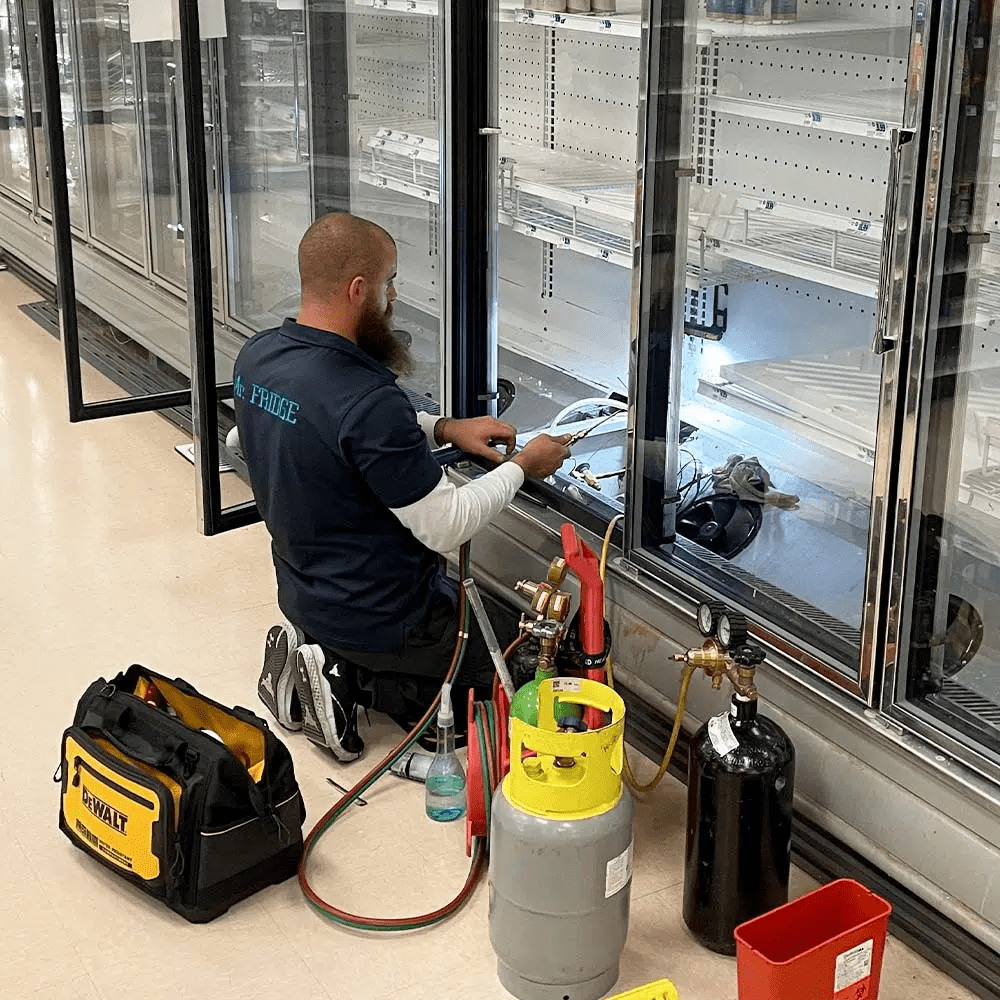
Key warning signs that indicate a commercial fridge requires urgent inspection
Ignoring early refrigeration warning signs can lead to significant operational and financial consequences for businesses that rely on consistent cooling.
One of the first impacts is often higher energy consumption. When components such as the fan, condenser, or compressor are not operating efficiently, the refrigeration system must work harder to maintain the correct temperature. This increased workload can quickly drive up electricity costs.
Another serious risk is food spoilage. Even small temperature fluctuations inside a commercial fridge can compromise food safety, especially in restaurants, cafés, supermarkets, and other hospitality environments.
Over time, unresolved issues may also cause major equipment damage. For example, a noisy fan or overheating condenser often places extra strain on the compressor, which is one of the most expensive components to repair or replace.
By addressing problems early through proper maintenance or professional servicing, businesses can avoid unexpected breakdowns, protect valuable stock, and reduce long-term repair costs.
When technicians inspect a commercial refrigeration system, they typically check several key components that affect cooling performance and airflow.
One of the most common issues is clogged condenser coils. In commercial kitchens, grease, dust, and airborne particles can quickly build up on the coils, preventing heat from dissipating properly and forcing the system to work harder. Technicians also frequently encounter failing evaporator fan motors, which are responsible for circulating cold air throughout the cabinet. When these motors begin to wear out, they may produce unusual noise or reduce airflow.
Electrical components such as relays, capacitors, and wiring connections are also inspected, as these parts can degrade over time due to continuous operation. In addition, technicians often identify airflow restrictions inside the fridge, including blocked vents, damaged door seals, or ice buildup around the evaporator.
Detecting these problems early helps prevent more serious mechanical failures and keeps commercial refrigeration systems operating efficiently.
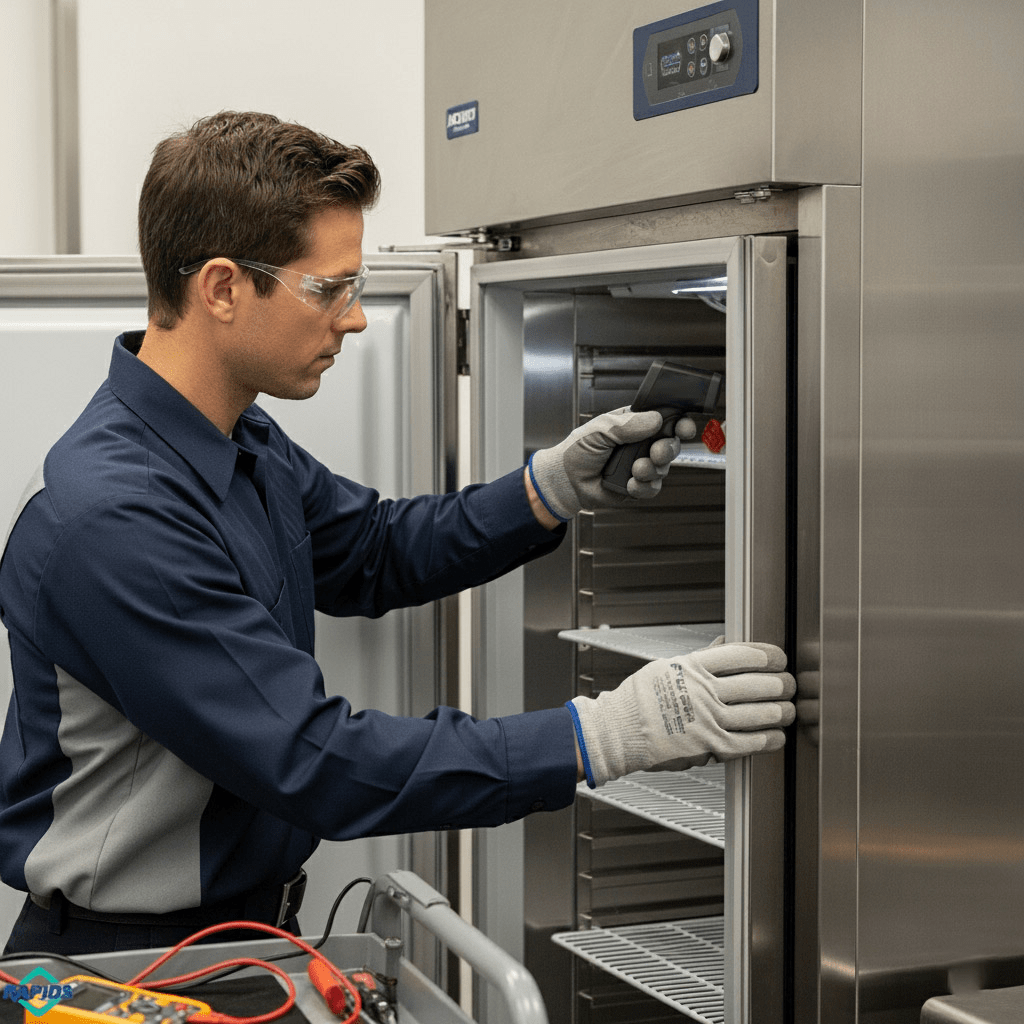
Common issues technicians discover when inspecting commercial refrigeration systems
While basic cleaning and airflow checks may resolve minor issues, many commercial refrigeration problems require professional diagnosis and repair.
If your fridge fan continues to make loud or unusual noises, the condenser remains excessively hot, or the unit struggles to maintain stable temperatures, it may indicate a deeper mechanical or cooling system problem. In these situations, it is best to contact a qualified refrigeration specialist.
Experienced technicians can identify the root cause of the issue, whether it involves worn components, airflow restrictions, refrigerant levels, or electrical faults within the system.
For businesses that rely heavily on refrigeration, routine servicing is also essential for preventing unexpected breakdowns. Scheduling a professional commercial fridge service ensures that key components are inspected, cleaned, and maintained before small issues turn into costly repairs.
Regular servicing not only helps protect valuable stock but also improves energy efficiency and extends the lifespan of commercial refrigeration equipment.
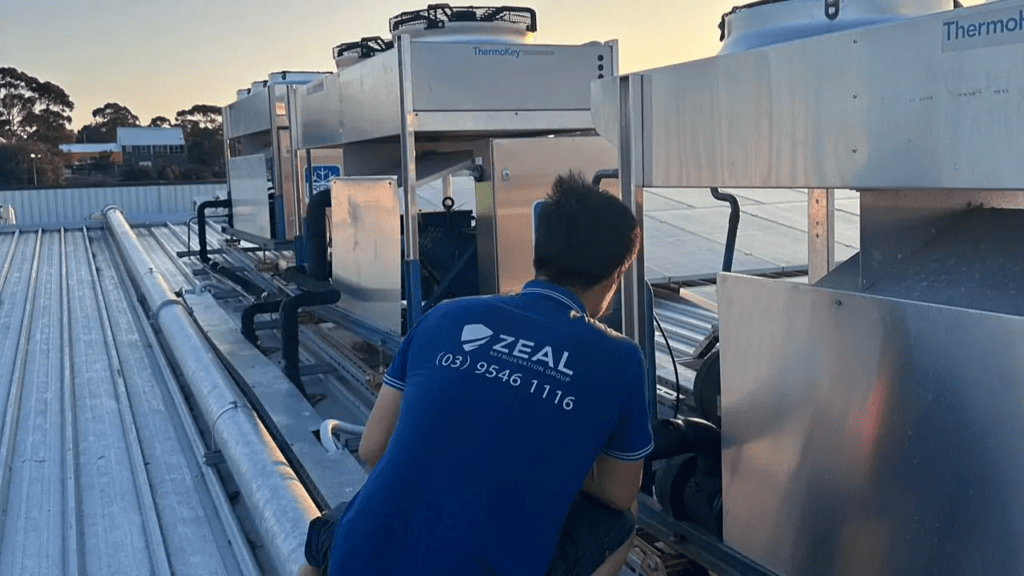
Situations where professional refrigeration repair and diagnostics are necessary
Regular maintenance is essential for preventing common problems such as noisy commercial fridge fans, overheating condensers, and reduced cooling efficiency. By following a simple inspection routine, businesses can keep commercial refrigeration equipment operating reliably.
Daily checks
Weekly checks
Monthly maintenance
Consistent maintenance helps reduce the risk of unexpected breakdowns and extends the lifespan of commercial refrigeration equipment. For businesses that depend heavily on refrigeration, regular maintenance and preventive servicing can also improve energy efficiency and identify potential issues before they become costly repairs.
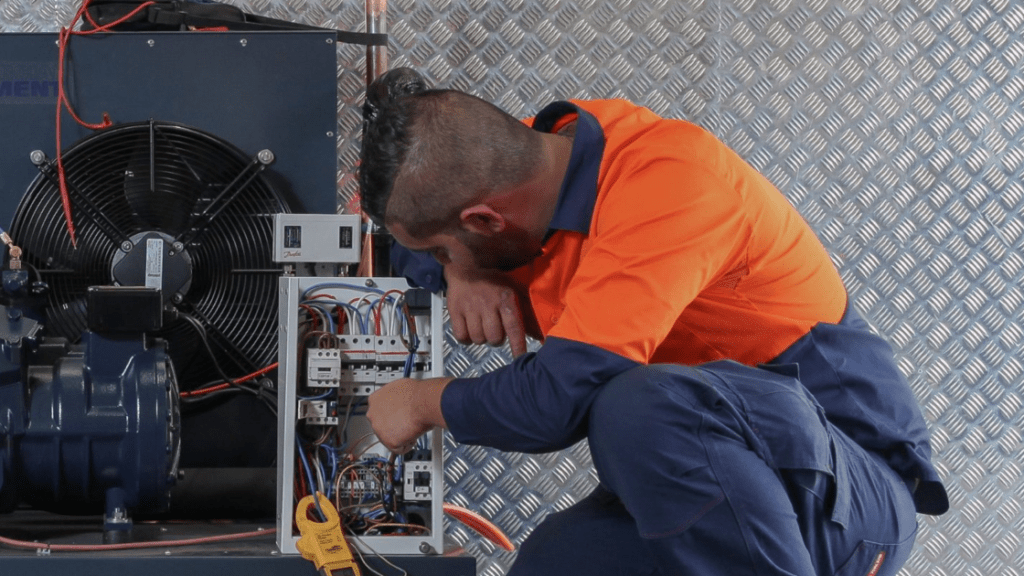
Maintenance routine for keeping commercial refrigeration equipment operating efficiently
Commercial refrigeration systems play a critical role in maintaining food safety and protecting valuable stock. While some operational noise and heat are normal, sudden changes such as a noisy fan or overheating condenser should never be ignored.
These warning signs often indicate that the refrigeration system is under strain. Identifying issues early allows businesses to address minor problems before they develop into costly repairs or unexpected equipment downtime.
Regular maintenance, proper airflow, and timely servicing all help keep commercial refrigeration systems operating efficiently. If your commercial fridge is making unusual noises or the condenser feels excessively hot, arranging a professional inspection can help prevent further damage and restore reliable performance.
For assistance or to schedule a service, call 1300 104 210 or visit the Contact Us page.
If you manage a commercial kitchen, cold room, or display fridge fleet in Melbourne, you've probably faced this call at some point: a unit…
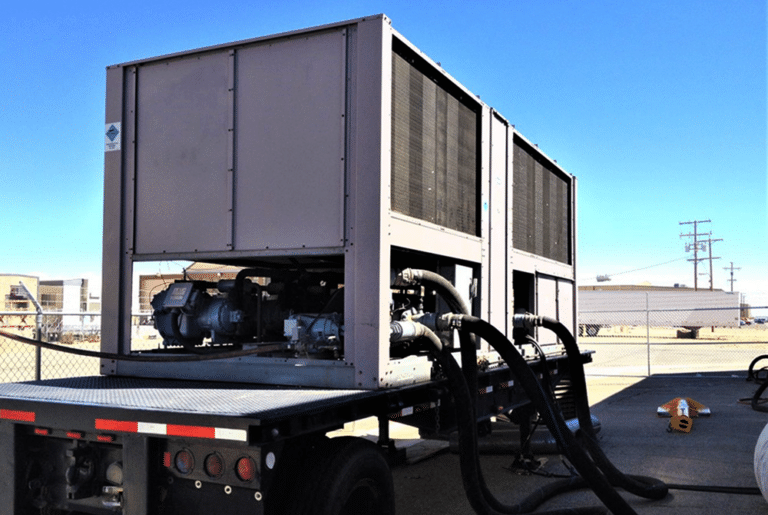
When a display fridge, cool room, or freezer goes down, the clock starts immediately. Stock begins losing temperature control from the moment the unit…
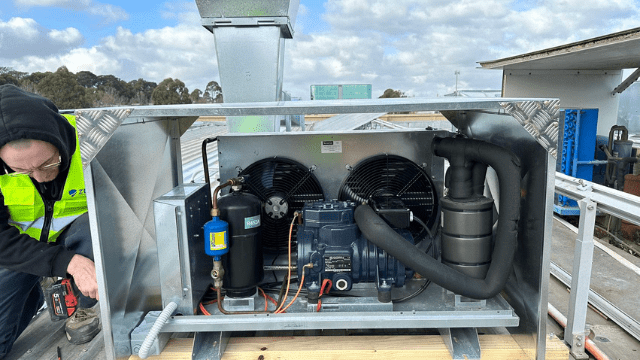
Commercial refrigeration emergencies don't strike at random. Ask any technician who's done an after-hours callout, and they'll tell you the same thing: breakdowns cluster…
Our simple & effortless process ensures you will be provided with a free quote promptly, but also ensures you will have any questions answered along the way.