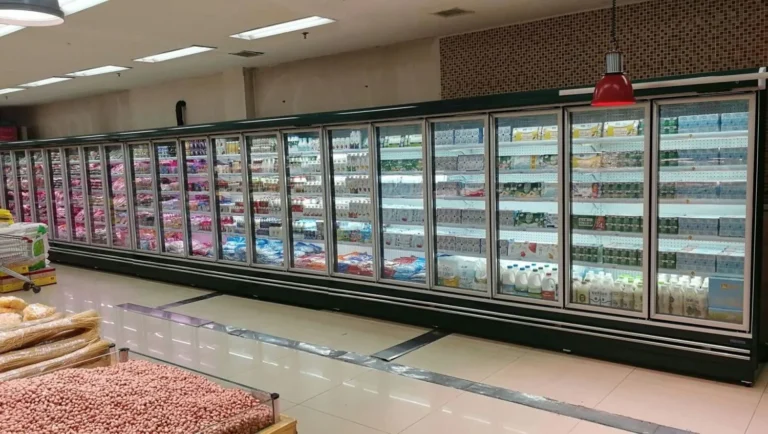
Display fridge placement directly affects how often a unit needs repair. It’s rarely treated as a refrigeration decision: in most retail fitouts, it’s decided by merchandising, foot traffic and sightlines, not by how the position affects cooling performance. This article looks at the environmental factors behind that strain, how poor placement increases repair frequency, and what retailers can do to reduce it.
The Environmental Variable Most Retailers Overlook
When a display fridge starts faulting more often, most retailers look at the unit itself: the compressor, the door seal, the thermostat. Fewer stop to consider where the fridge is actually sitting.
Placement is a pre-fault variable. It doesn’t cause a breakdown on its own, but it determines how hard a unit has to work to hold temperature, day after day. A display fridge positioned in a demanding spot runs longer cycles, carries more thermal load, and wears down components faster than an identical unit placed well. Over months, that difference shows up as more frequent callouts, not because the equipment is faulty, but because its operating environment has been working against it from day one.
For retail businesses relying on display refrigeration to keep stock visible and saleable, this is worth understanding before problems start, not after the third repair visit in a year.
Heat Sources That Shape Placement Decisions
A display fridge doesn’t operate in isolation. It’s constantly responding to the thermal demand created around it, and in a retail environment, that demand comes from several directions at once.
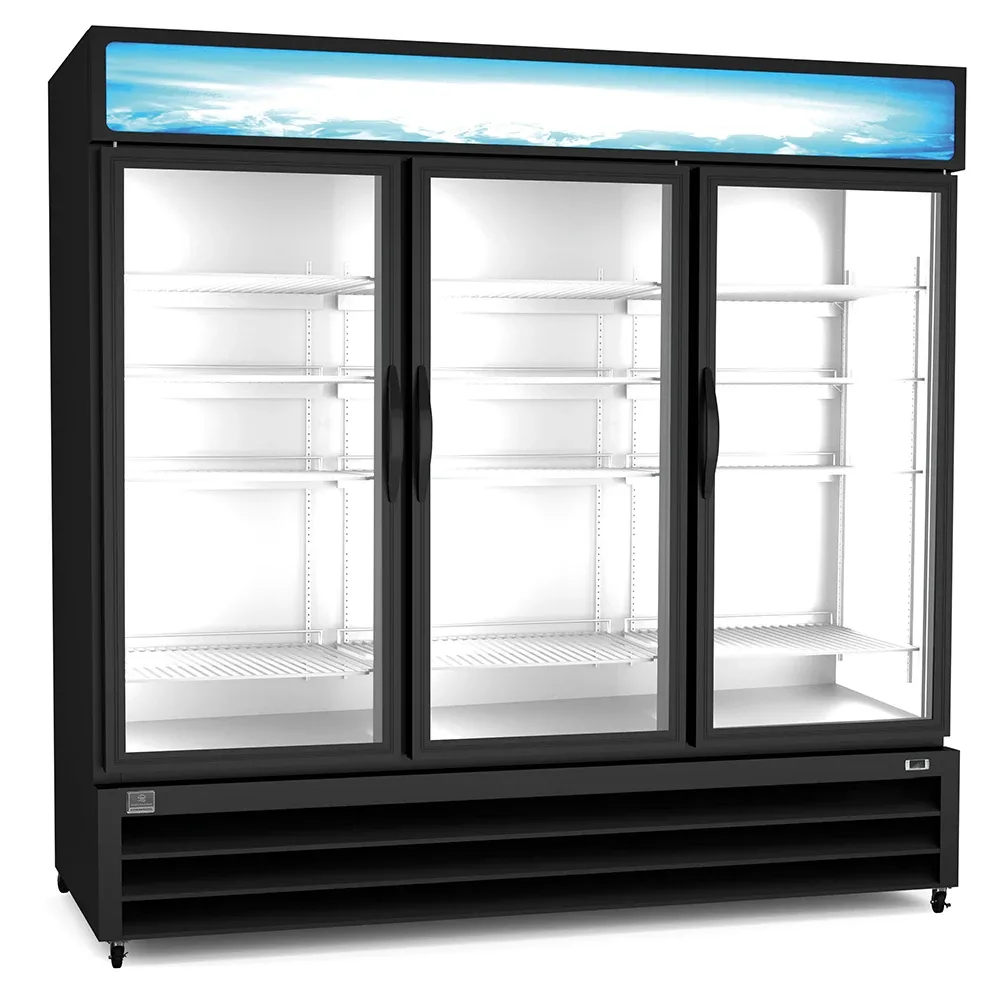
Proximity to Windows and Direct Sunlight
Fridges positioned near windows or glass shopfronts absorb radiant heat throughout the day, particularly in units facing north or west. In Melbourne’s southern hemisphere climate, that means north-facing glass takes the brunt of it, especially through the warmer months, in strip retail areas like Dandenong, Springvale and Mulgrave where floor-to-ceiling shopfront glazing is common. This heat adds directly to the cooling load the compressor has to offset, forcing longer run times to maintain the set temperature.
Heat from Overhead Lighting
Retail lighting is designed to make products look appealing, but many lighting types, especially older halogen or poorly ventilated LED fixtures, generate meaningful heat directly above display units. When positioned too close, a fixture becomes a constant, low-level heat source the fridge has to work against continuously, not just during peak trading hours.
Distance from the Building’s HVAC Output
Air conditioning and heating systems don’t distribute temperature evenly across a retail floor. A display fridge placed near a warm air outlet, or in a zone the HVAC system struggles to reach, experiences ambient conditions well outside what the unit was designed to handle. Conversely, fridges placed too close to cold air returns can face their own set of inconsistencies. Either scenario adds strain that isn’t obvious from a quick walk-through.
Floor Surface Heat Absorption
Flooring material affects ambient temperature at ground level more than most retailers expect. Dark tiles, polished concrete, and certain vinyl surfaces absorb and re-radiate heat from foot traffic and store lighting throughout the day. A fridge sitting on a heat-retentive floor, particularly one without adequate ventilation clearance underneath, faces a warmer immediate environment than the rest of the shop floor suggests.
How Poor Placement Increases Repair Frequency
Individually, none of this trips a fault. Collectively, it raises the operating burden the refrigeration system carries, and that burden has to go somewhere.
Compressors that run longer and more frequently to offset excess heat load wear faster. Door seals exposed to warmer ambient air work harder to maintain the temperature differential, which can accelerate degradation. Components rated for standard retail conditions are pushed toward the upper end of their tolerance, sometimes beyond it, for hours at a time.
The result is a pattern many retailers notice but don’t connect to placement: the same unit needing more frequent service than a comparable fridge elsewhere in the store, or a fridge that seems to “run hot” no matter how many times it’s serviced. In both cases, the cause usually traces back to the surrounding environment rather than the equipment itself.
Placement Principles for a Retail Display Environment
Getting placement right doesn’t require redesigning the store layout. It means factoring refrigeration performance into decisions that are usually made on merchandising grounds alone.
A few principles worth applying when positioning or repositioning display fridges:
- Keep units away from direct sunlight where layout allows, or use window treatments to reduce solar heat gain on affected units.
- Maintain clearance from overhead lighting, and where fixtures run hot, consider whether they need to sit directly above refrigerated stock.
- Avoid placing fridges directly in the path of warm HVAC output, and check airflow patterns across the floor before finalising a layout.
- Account for flooring material and ventilation clearance underneath units, particularly on heat-retentive surfaces.
- Treat refrigeration placement as part of the fitout brief, not an afterthought once shelving and lighting are finalised.
These principles matter most at the fitout or refit stage, which is why placement is typically addressed as part of a broader Commercial Refrigeration Installation, where airflow, ambient load, and equipment specification are considered together rather than in isolation.
If your fridge sits near a window or under hot lighting and needs seal or compressor work more than once a year, placement is worth investigating before the unit itself.
Reducing Strain Through Regular Servicing
Even with good placement, retail environments change. Lighting gets upgraded, layouts shift for seasonal stock, and shopfronts get renovated. A position that worked well two years ago may not be optimal today.
This is where regular servicing earns its place, not just as fault prevention, but as a way of catching the early signs that a unit is under more strain than it should be. A technician who sees a fridge regularly is better placed to notice when run times are creeping up, when a seal is degrading faster than expected, or when a compressor is working harder than its specification suggests it should. Addressing this early, through routine maintenance rather than reactive repair, is generally more cost-effective than waiting for a breakdown to force the issue.
For display units in demanding retail positions, especially those that can’t easily be relocated, consistent servicing through Maintenance and Preventive Services helps offset the added cooling demand placement puts on the equipment.
Get Placement and Servicing Right From the Start
Every factor covered here (windows, lighting, HVAC output, and flooring) feeds into the same outcome: how much strain a display fridge carries and how often it needs attention. Get the position wrong and components that were never designed to run at the upper edge of their tolerance end up doing exactly that, indefinitely.
If your display fridges are needing more frequent repairs than they should, it’s worth asking whether placement is part of the story before assuming the unit itself is at fault. For businesses planning a new fitout or refit, our ARCtick-licensed technicians can factor refrigeration placement into a commercial refrigeration installation from the outset. For existing setups, a look at our Display Fridge Service and Repair options can help determine whether the issue is the equipment, the environment, or both.